
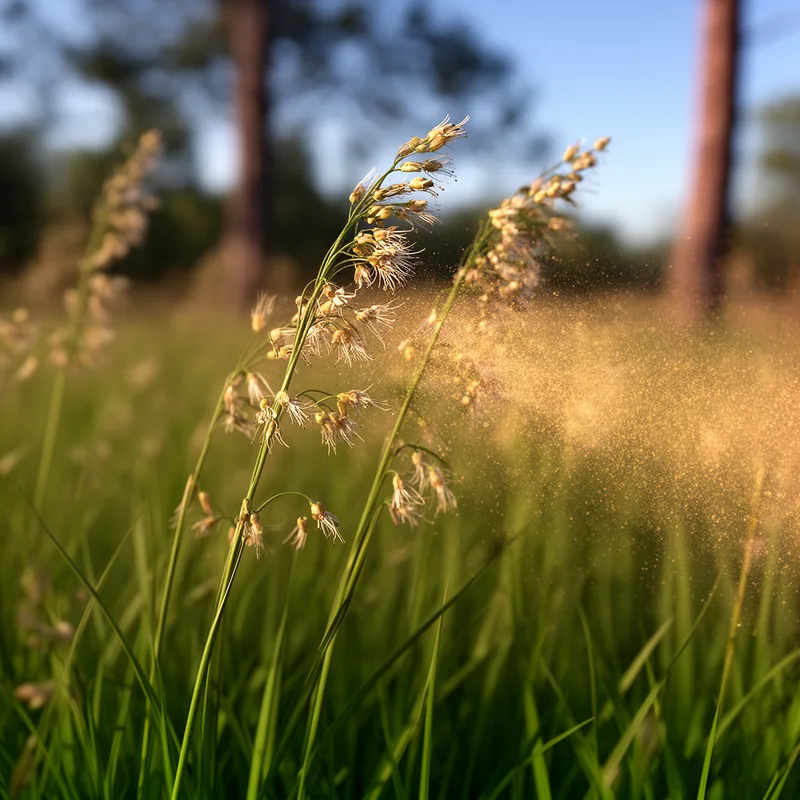
anemophilous
- adjective
- /ˌænəˈmɒfɪləs/
- Specialized
- Many grasses are anemophilous, relying solely on the wind to spread their pollen.
Examples
-
Cook (1988), however, showed that the incidence of wind pollination in aquatic genera is only 31%, reflecting their ancestry from terrestrial anemophilous (wind-pollinated) plants.
Academic text (1996) -
Most hydrophilous systems have evidently evolved from anemophilous precursors (Les 1988a, b, Sculthorpe 1967).
Academic text (1996) -
However, the condition ancestral to hydrophily is less certain in the family Hydrocharitaceae, in which only one genus (Limnobium) is strictly anemophilous (Cook 1988).
Academic text (1996) -
The anemophilous species produce lightweight pollen that is easily carried by breezes.
-
In anemophilous plants, pollination occurs primarily through wind rather than insects.
Antonyms
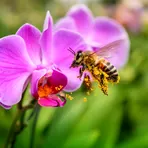
Surface Forms
Morphology
anemophilous = anemophile (semi-transparent) = anemo + phil + ous
The adjective is directly formed from the noun 'anemophile' by adding the adjectival suffix '-ous'.
Etymology
Anemophilous comes from Greek parts anemo- meaning 'wind' and -philous meaning 'loving'. It shares the anemo root with words like anemometer, a device that measures wind, and the flower anemone, the 'windflower', so a helpful image is a plant that 'loves the wind' and uses it to carry its pollen instead of animals.

