
anemophily
- noun
- /ˌænəˈmɒfɪli/
- Specialized
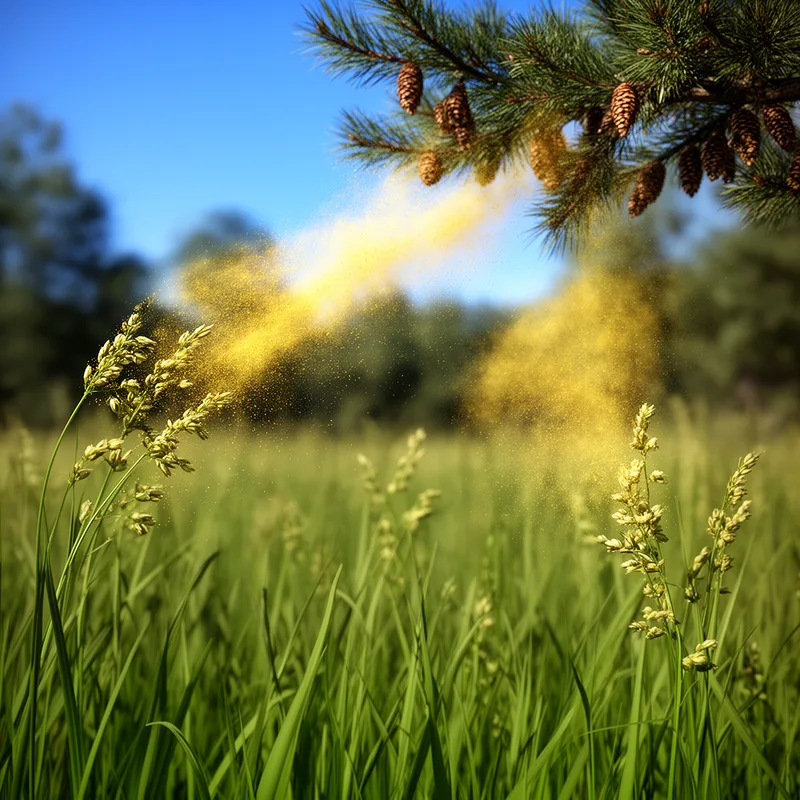
- Many plants, such as grasses and conifers, rely on anemophily for successful reproduction because their pollen is carried by the wind.
Examples
-
The transition may have been facilitated by the many parallel floral features of anemophily and hydrophily that are likely to represent general adaptations to abiotic pollination.
Academic text (1996) -
Because this unusual system is likely to represent the ancestral condition of most hydrophilous Hydrocharitaceae, it is inaccurate to state that hydrophily in this family has arisen directly from anemophily.
Academic text (1996) -
This condition defies categorization as either anemophily or hydrophily, but is obviously derived from entomophilous ancestors.
Academic text (1996) -
In regions where insect pollinators are scarce, anemophily becomes a crucial process for flowering plants to ensure pollination.
-
During spring, trees like birches exhibit anemophily, releasing pollen into the air to fertilize other trees of the same species.
How Wind-Pollinated
- Specialized

- Specialized
 9
3.7
9
3.7

Surface Forms
Morphology
anemophily = anemophilous (opaque) = anemo + phily
The immediate base 'anemophilous' is a technical adjective formed from Greek combining elements, so the link to the noun 'anemophily' is not transparent to average learners.
Etymology
The word anemophily comes from Greek parts anemo- meaning 'wind' and -phily meaning 'love' or 'attraction', like the 'philo' in philosophy which means 'love of wisdom'. So anemophily is like 'love of wind' for plants, meaning pollen is carried by the wind.