
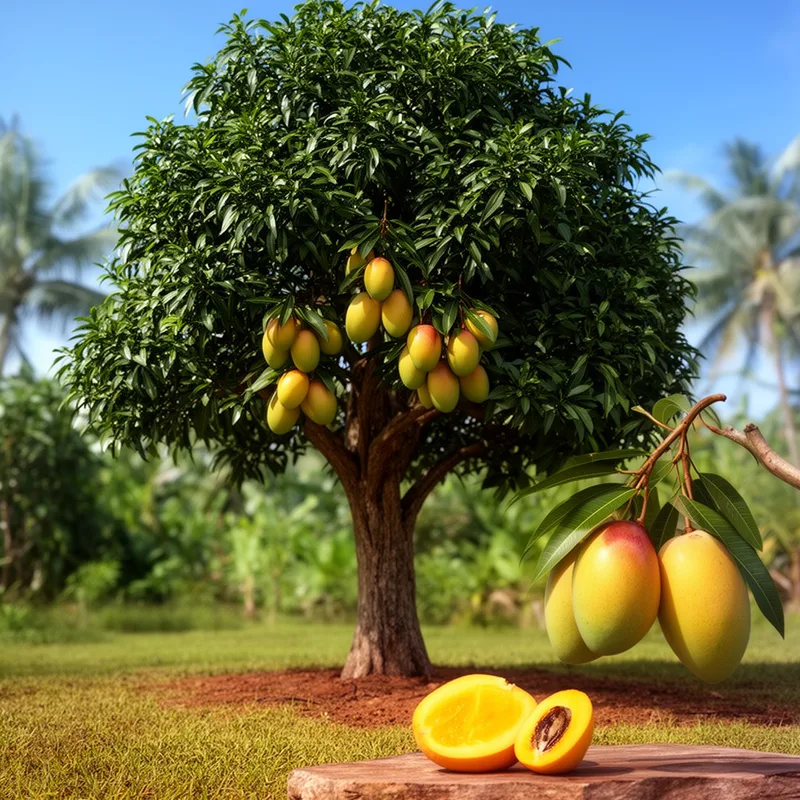
anchovy pear tree
- noun
- UK
- She planted an anchovy pear tree in her garden to enjoy its tasty fruit.
Examples
-
The anchovy pear tree is cultivated in Jamaica for its unique fruit.
-
Have you ever seen an anchovy pear tree in bloom?
-
Botanists studied the anchovy pear tree to understand its adaptation to tropical climates.
-
The anchovy pear tree produces fruit that is delicious.
-
In tropical regions, the anchovy pear tree is valued for its sweet and edible fruit.
-
Every summer, we harvest the fruit from our anchovy pear tree and make delicious smoothies.
-
The anchovy pear tree thrives in warm climates, producing mango-like fruit that many enjoy.
Synonyms
A Caribbean tree with edible fruits like mangoes
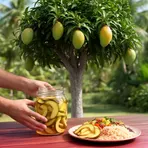
A tree from the West Indies that makes a fruit like a mango often pickled to eat with meals

A Caribbean fruit like a mango often eaten pickled
Surface Forms
Morphology
Although 'pear' + 'tree' transparently suggests a fruit-bearing tree, the modifier 'anchovy' names a fish and does not provide a predictable semantic contribution to indicate a specific West Indian tree or mango-like fruit. The compound is a language-specific botanical name whose overall meaning cannot be derived from the literal senses of its parts, so a B1 learner would not reliably infer the intended referent.
Etymology
Anchovy pear tree may get its name from the fruit: the fruit looks like a small pear and its strong taste or smell reminded people on the islands of salty anchovies, so the name joins anchovy and pear and today it simply means a West Indian tree with 'edible fruit'.

