
ammoniac


 1
9.9
1
9.9
- noun
- /əˈmɒniˌæk/
- Archaic
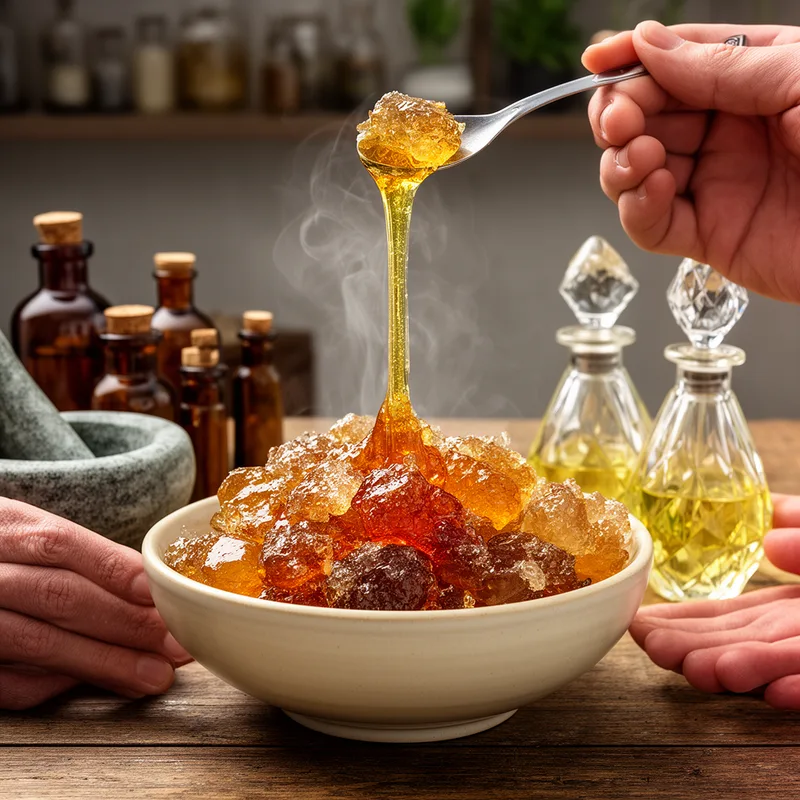
- In ancient times, ammoniac was prized for its aromatic properties in perfumes and incense.
- sal ammoniac
- ammoniac smell
Examples
-
The herbalist used ammoniac resin in her remedy to improve digestion and relieve coughs.
-
The chemist explained how the ammoniac extracted from the plant could be utilized in traditional medicine.
-
-Sal ammoniac.
-
Choking and with eyes streaming from the intense ammoniac smell, F'lessan backed out.
Fiction book (1991) -
I can smell her slight ammoniac odor and hear the obstructions in her nasal passages.
Fiction book (1999) -
To him, ammoniac barn and manure odors weren't offensive, but good scents of productive labor well and faithfully performed.
Fiction book (2000) -
The Committee on Chemistry also established and adjudicated prizes offered to manufacturers for the production in bulk of borax, bismuth, sal ammoniac, and other chemicals useful to the arts and industry.
Academic text (2015) -
But standing at the kitchen sink, surveying the bleak pileup of dishes, noting the ammoniac scent rising from the mouldering laundry basket, he feels unclean and haphazard, the way the affair made him feel right from the start.
Fiction book (1994) -
Anne Marie, the towel, p97 me, the pale, reciting girl, saying, "I'm not frightened—sticks and stones can break my bones?" The ammoniac smell, her spraddled legs as she walks.
Fiction book (1991)
Synonyms

A sticky, fragrant substance from a plant used in medicine and to make varnish
Compounds

- Specialized
1
9.9
A white salt used in old batteries, some medicines, and for cleaning metal
- Specialized
A sticky, fragrant substance from a plant used in medicine and to make varnish
Surface Forms
Etymology
Ammoniac (the resin) was named after the same place near the temple of the Egyptian god Ammon, where traders found a sticky plant gum and called it ammoniac. People used this strong, aromatic gum in old medicines and perfumes, so the noun ammoniac means that fragrant resin.