

allyl group
- noun
- /ˈælɪl ɡruːp/
- Specialized
- The allyl group is a common substituent in organic chemistry.
Examples
-
Adding an allyl group to the molecule changes its properties significantly.
-
The chemist discussed the importance of the allyl group in synthesizing new drugs.
-
The allyl group is highly reactive and found in many organic compounds.
-
An allyl group can enhance the reactivity of compounds.
-
Adding an allyl group to the molecule changes its properties significantly.
-
The allyl group is highly reactive and found in many organic compounds.
-
The chemist discussed the importance of the allyl group in synthesizing new drugs.
Synonyms

A part of a molecule with three carbon atoms and a double bond found in many organic compounds
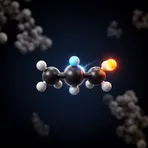
A small, reactive part of a molecule with three carbon atoms and one unpaired electron
Surface Forms
Morphology
The term is compositionally built: 'allyl' names the C3H5 radical and 'group' denotes a bonded assembly or substituent, so a learner who knows both constituents can derive 'an allyl radical substituent' from the parts. Although domain‑specific, this noun+noun chemistry construction is regular and cross‑linguistically common, making the phrase transparent.
Etymology
The noun allyl group may come from an old word for garlic, because early chemists found these kinds of chemical pieces in garlic and onions. The phrase gives a clear picture: allyl is a three-carbon 'reactive piece' that attaches to a larger molecule and group shows it is that attached part, so allyl group means that reactive bit on a molecule.

