
allotropical
- adjective
- /əˈlɑːtrəpɪkəl/
- Specialized
 :
alotrópico
:
alotrópico
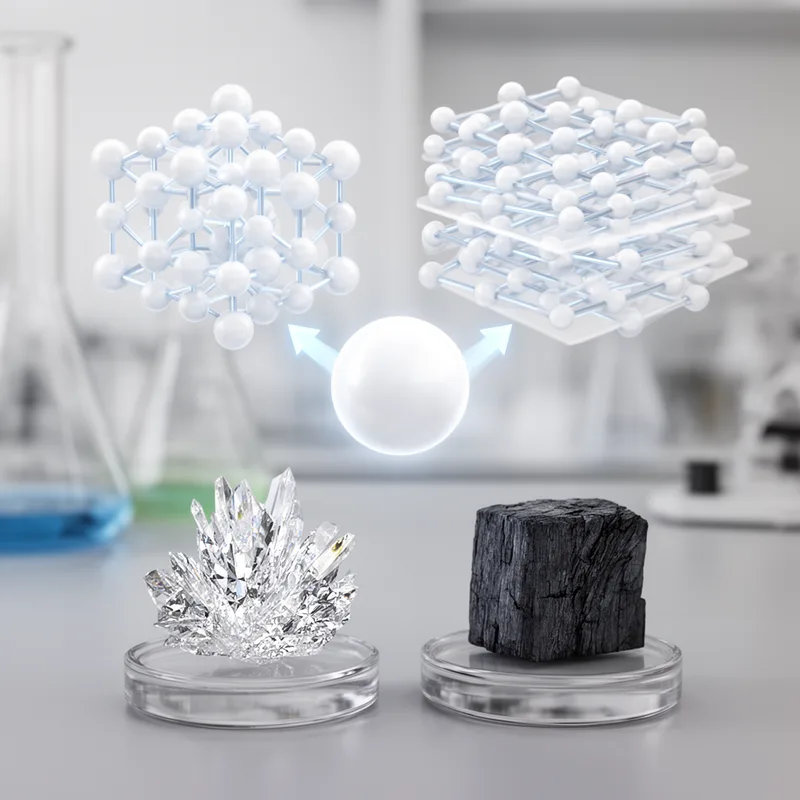
- The allotropical forms of carbon include both diamond and graphite.
Examples
-
Phosphorus is commonly known for its allotropical modifications, such as white and red phosphorus.
-
Carbon is an allotropical element with several crystalline forms, including diamond and graphite.
-
Scientists study the allotropical behaviors of elements like sulfur to understand their structural differences.
-
Is the allotropical behavior of sulfur well understood?
-
Carbon is an allotropical element with several crystalline forms, including diamond and graphite.
-
Phosphorus is commonly known for its allotropical modifications, such as white and red phosphorus.
-
In examining different materials, scientists often focus on allotropical variations to explore their distinct properties.
Synonyms

An element that exists in two or more forms with different properties in the same state
Surface Forms
Morphology
allotropical = allotropic (semi-transparent) = allotrope + ic + al
Formed by regular suffixation from 'allotropic' + '-al', but the stem and its meaning are technical and may not be familiar to average learners.
Etymology
Allotropical comes from allo- meaning 'other' and tropic meaning 'turn', the same tropic you see in tropical. So an allotropical element is one that can 'turn into' other forms, like carbon becoming diamond or graphite.

