
allotrope
 1
9.9
1
9.9

- noun
- /əˈlɑːtroʊp/
- Specialized
 :
alótropo
:
alótropo
- Since Raman spectroscopy is highly sensitive to the disorders present in the microstructure of the test materials, it is widely used to explore the microstructure of carbon allotropes.
Examples
-
The mineral graphite is one of the allotropes of carbon.
Blog text (23) -
And that that is just one example of a new allotrope of carbon that was discovered in in recent years.
-
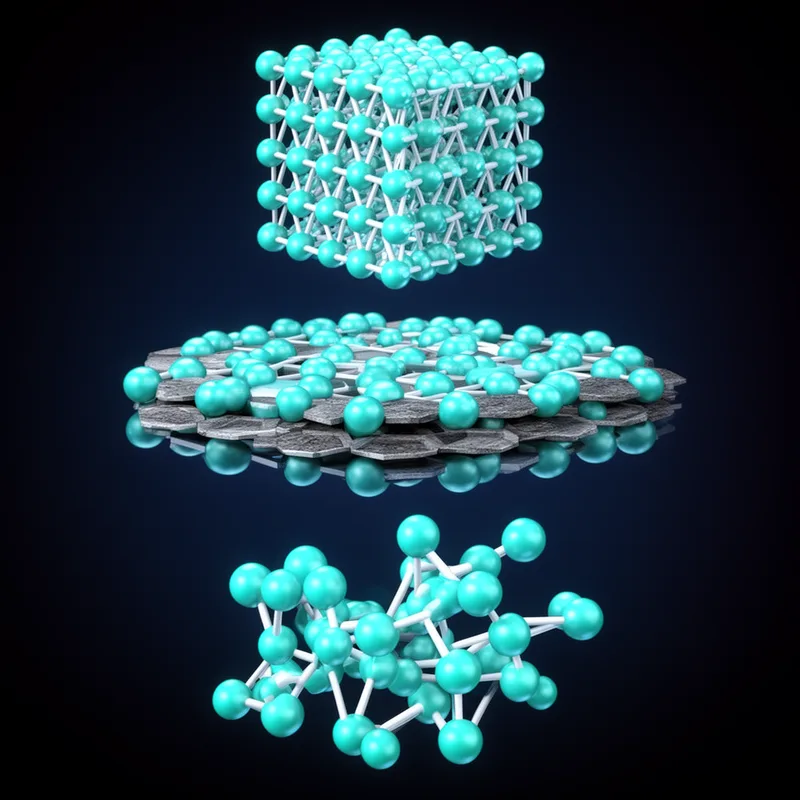
Being an allotrope or exhibiting allotropy means existing in multiple forms or states.
Blog text (25) -
One of the allotropes of carbon is named carbon nanotube.
Blog text (25) -
His blog, Allotrope, will cover the awesomeness of science, with a slight bias for chemistry.
Blog text (3) -
Thus, with the advancement in technology, small allotropes like carbon nanotubes can do a
Blog text (25) -
Carbon nanotube varies from all other allotropes because of its distinct length-to-diameter ratio.
Blog text (25) -
Unlike diamond (another carbon allotrope), graphite is an electrical conductor, a semimetal, and can be used for
Blog text (23) -
A diamond is an allotrope of carbon, which has a distinct physical structure compared to graphite.
-
Graphite and diamond are both allotropes of carbon, but they differ greatly in their properties.
Surface Forms
Morphology
Etymology
Allotrope comes from Greek parts allo- meaning 'other' and -trope meaning 'way' or 'turn', so it literally means 'other way'. So an allotrope is a different form of the same element, like diamond and graphite for carbon.