
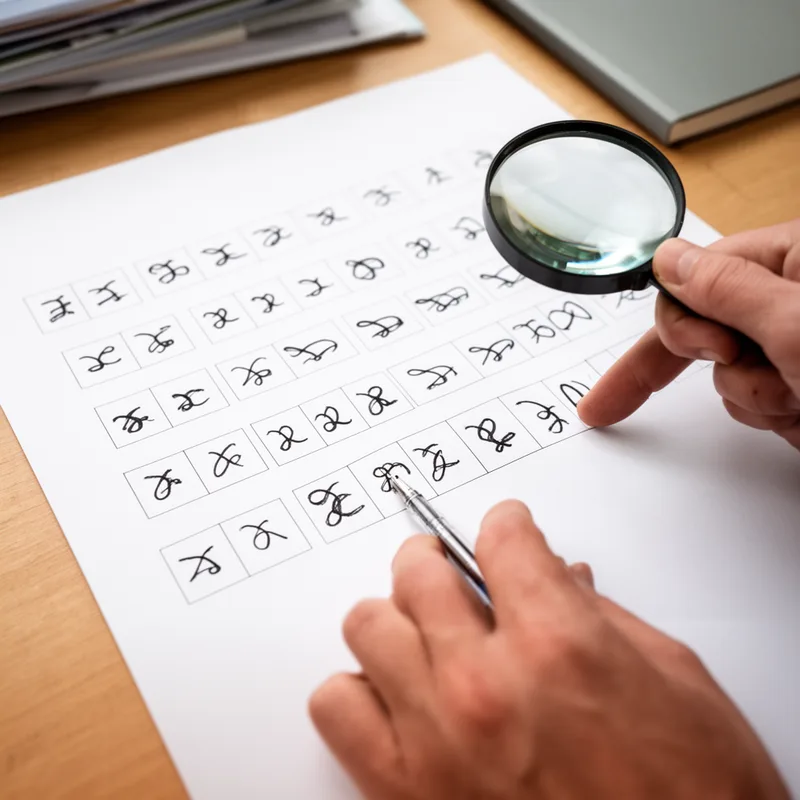
allographic
- adjective
- /ˌæl.əˈɡrɑː.fɪk/
- Specialized
- The allographic differences between handwritten and printed texts can be significant.
Examples
-
Linguists often study allographic variations in alphabets across different languages.
-
Her research focused on the allographic representation of letters in medieval manuscripts.
-
The allographic styles of writing can vary significantly.
-
In some languages, allographic forms are essential for clarity.
-
Linguists often study allographic variations in alphabets across different languages.
-
Her research focused on the allographic representation of letters in medieval manuscripts.
-
In some languages, allographic forms are essential for clarity.
Surface Forms
Morphology
Etymology
The word allographic comes from Greek parts allo- meaning 'other' and -graph meaning 'write' or 'form', the same graph you see in photograph and autograph. So, allographic literally says 'other writing' and refers to a different written form of the same letter.

