
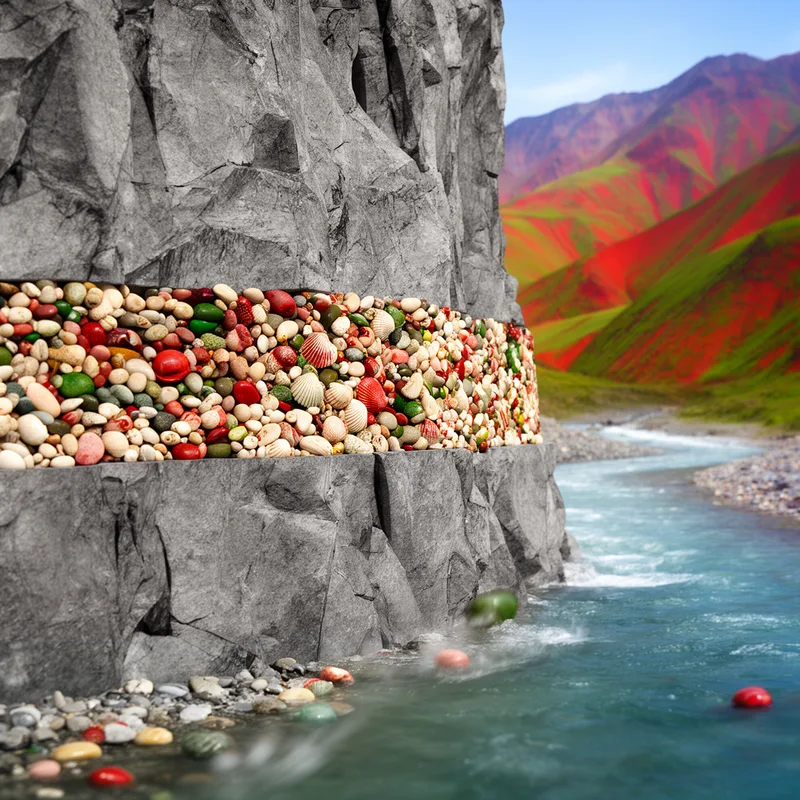
allochthonous
- adjective
- /əˈlɑkθənəs/
- Specialized
- The lake was enriched by allochthonous nutrients carried by the river from surrounding forests.
Examples
-
On fox-free islands, nutrient input was allochthonous and a result of seabird-derived guano that produced lush grasslands (b).
Academic text (2009) -
As previously discussed, much of the organic matter in soils may be a legacy of past primary production and currently serves as a source of allochthonous material received by lakes (Figure 1).
Academic text (1999) -
The fish community of the San Francisco River is thus a complex composite of native and allochthonous lineages.
Academic text (2018) -
This suggests that the lantern makers attribute their festivals an allochthonous origin.
Academic text (2009) -
Rose MD, Polls GA. 1998. The distribution and abundance of coyotes: The effects of allochthonous food subsidies from the sea. Ecology 79: 998-1007.
Academic text (2009) -
By analogy, ancient lakes may have also served as sinks for allochthonous organic matter derived from terrestrial sources rather than generating the organic matter deposited in lake sediments by in situ primary production.
Academic text (1999) -
Scientists studied allochthonous sediments to understand the geological history of the region.
-
Many ecosystems benefit from allochthonous inputs that bring essential resources from other areas.
Antonyms

- Formal


 1
9.9
1
9.9
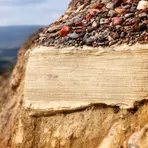
Formed naturally in the place where it is found and not moved from elsewhere
How Local
- Formal
1
9.9

- Specialized
Surface Forms
Morphology
allochthonous = allochthon (opaque) = allo + chthon + ous
The term is formed from Greek combining elements ('allo-' + 'chthon-') plus the English suffix '-ous' and is a specialized geological term, so its meaning is not readily derivable by average learners from the components.
Etymology
The word allochthonous comes from Greek parts allo- meaning 'other' and chthon meaning 'land'. So it means 'from another land', which is why geologists call rocks, fossils, or sediments that formed somewhere else and were carried here allochthonous.