
allergen
 13
4.6

- noun
- /ˈælərdʒən/
- Specialized
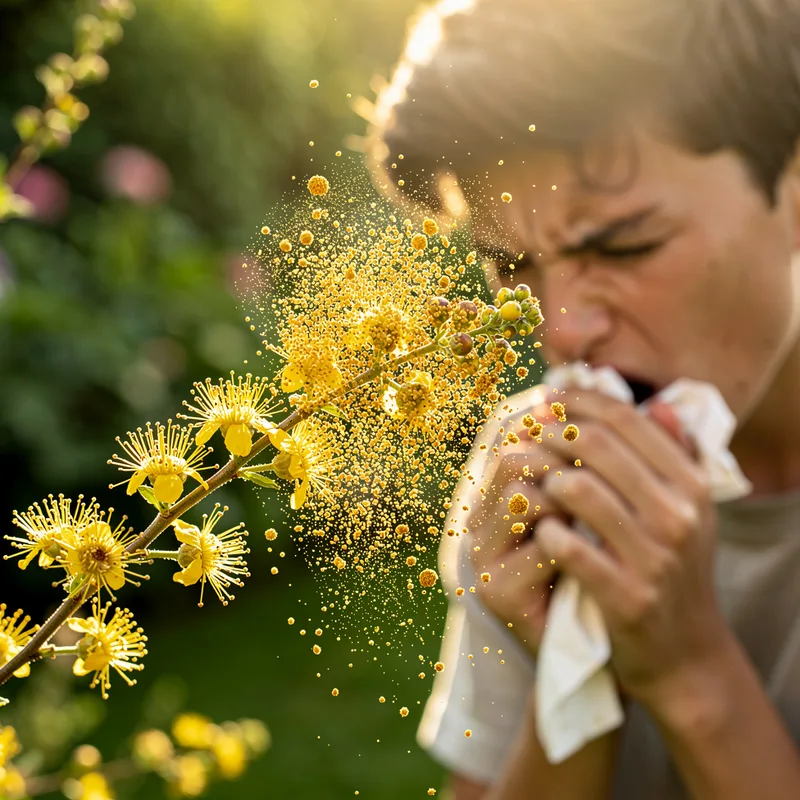
- Pollen from flowers can be a common allergen during the spring season.
- allergen challenge
- inhaled allergen
- exposure to an allergen
Loading YouTube…
Watch on YouTubeNow, one other lesser known source of the allergen is in a cat's urine.
- Now, one other lesser known source of the allergen is in a cat's urine.
- Hemp milk is really good for people who want to avoid nuts or soy or other allergens.
- As you grow older, as you spend more time outdoors, as you play sports, you inhale those allergens and that leads to an allergic response.
- The second reason is an environmental allergen or trigger that's able to get through these weaves easier because of this genetic change.
- It's sugar free, allergen free, non-GMO, vegan, all that good stuff.
- And this has an allergen mode on it.
- The protagonist is also gluten free, soy and dairy free, non-GMO and allergen free.
- And you know, with all the allergens going on in, in the world today, this is a good alternative.
- In fact, they were mechanistically linked to the body learning how to tolerate peanuts or the allergen.
- Plus, bacteria, toxins, mold, mold is a nightmare and allergens.
Examples
-
But with that being said, you know, there are people with allergens for peanuts.
-
Also, in some regions, increases in pollen and other allergens have been associated with increased temperatures.
Academic text (2008) -
Now, one other lesser known source of the allergen is in a cat's urine.
-
What happens when an allergen is breathed in?
Academic text (2011) -
But the foods you mentioned have been the top allergens for quite some time.
Blog text (27) -
As you grow older, as you spend more time outdoors, as you play sports, you inhale those allergens and that leads to an allergic response.
-
The mast cells in his body release histamine in response to allergens and other environmental stimuli.
Blog text (10) -
In addition to being plant based, the Protagonist is also gluten free, soy and dairy free, non-GMO and allergen free.
-
Some people develop a rash when they come into contact with a certain allergen.
-
Many children are allergic to milk, which means that milk is an allergen for them.
Surface Forms
Morphology
Etymology
Allergen comes from Greek parts allo- meaning 'other' and -gen meaning 'to produce', like in generate. So an allergen is something that 'produces' a different reaction in some people, in other words a thing that causes an allergic reaction.