
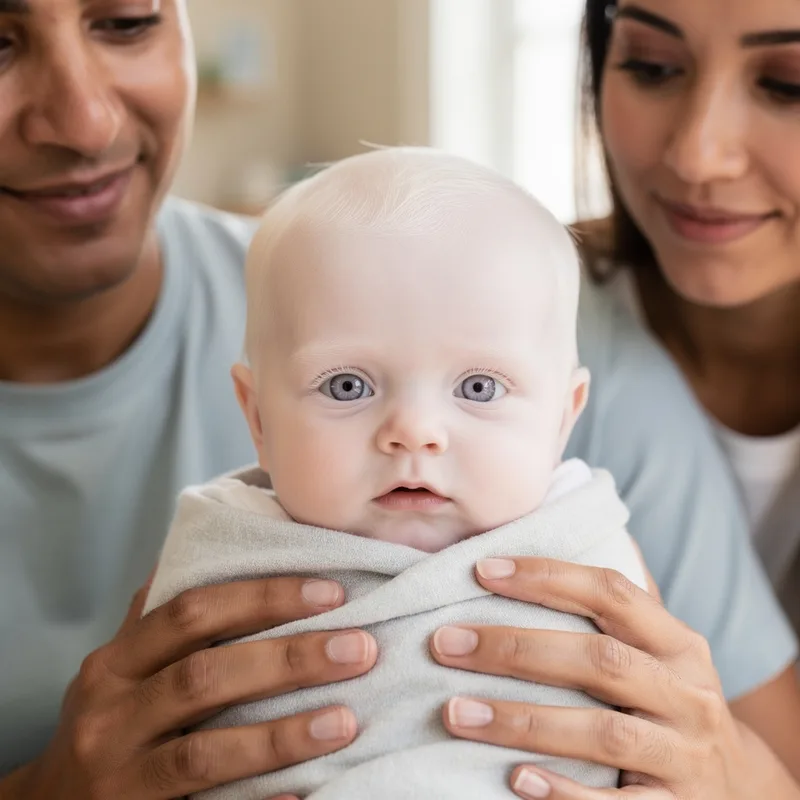
albinism
 3
7.0
3
7.0

- noun
- /ˈæl.bɪ.nɪ.zəm/
- Specialized
- The best understood of these diseases is oculocutaneous albinism type 1 (OCA1), which results from a total lack of the enzyme tyrosinase.
- oculocutaneous albinism
- types of albinism
Loading YouTube…
Watch on YouTubeOne of the new issues I addressed is albinism.
- One of the new issues I addressed is albinism.
Examples
-
The genetic basis of albinism is complex.
Academic text (2008) -
The three most prevalent etiologies were albinism (n = 16), retinitis pigmentosa (n = 12), and retinopathy of prematurity (n = 8).
Academic text (2009) -
Currently, twelve different genes have been identified that result in different types of albinism when mutated.
Academic text (2008) -
So why are we so fascinated with albinism and leucism?
Blog text (7) -
They are not aware of the genetic and biochemical causes of these different forms of albinism.
Academic text (2008) -
An elementary school student with albinism may be taught to face away from the windows for viewing the chalkboard and classroom demonstrations to minimize glare.
Academic text (1997) -
Albinism only affects the production of melanin, while leucism prevents the formation of all pigments.
Blog text (7) -
In the tropics, albinism might be properly regarded as a genetic malfunction, but not so in locales where pigmentation conferred no advantage.
Academic text (1999) -
A third form, tyrosinase-variable albinism, results in infants with the physical characteristics of OCA1, but over time their skin tans lightly and their hair becomes yellow or light brown (Oetting et al. 2003).
Academic text (2008) -
Kenyen is the first student with albinism to ever attend his elementary school.
How Pigmented
- Specialized
1
7.7

- Specialized
8
5.2
- Specialized

 1
8.8
1
8.8
- Specialized
1
8.2
- Specialized
3
7.0
Surface Forms
Morphology
Etymology
Albinism comes from the Latin word albus meaning 'white' and shares the same root as albino, so it describes the condition of having very little colour in the skin, hair, and eyes.