
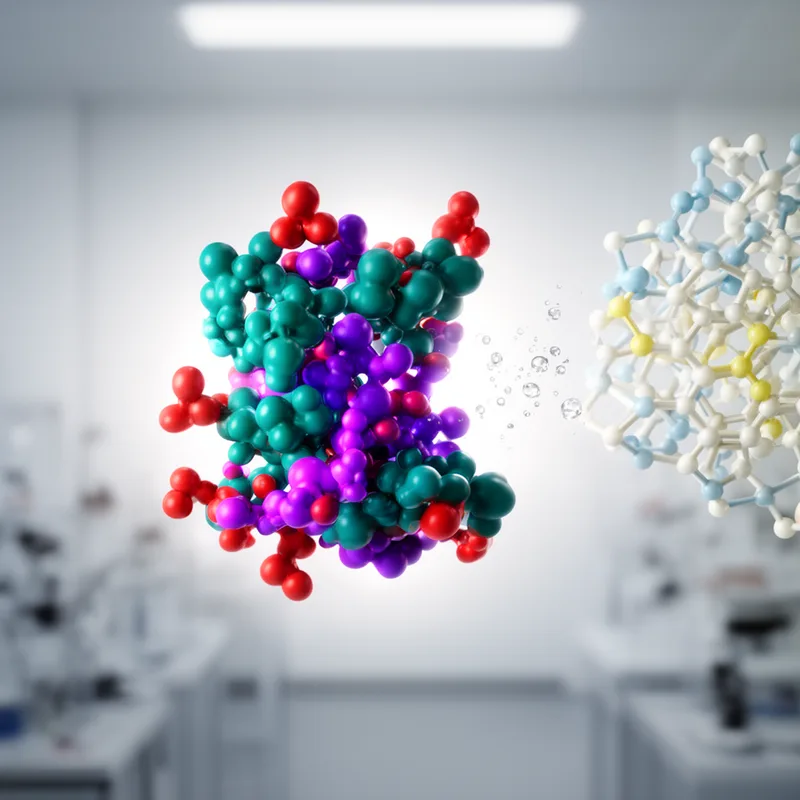
aglycone


 1
9.9
- noun
- /ˈæɡlɪˌkoʊn/
- Specialized
- The aglycone portion often determines the medicinal properties of the compound.
Examples
-
After hydrolysis, the non-sugar part of the compound is known as the aglycone.
-
When the glycoside is hydrolyzed, the aglycone is separated from the sugar component.
-
Researchers studied the biological activity of the aglycone after removing the sugar group.
-
The aglycone is essential for glycoside function.
-
What is an aglycone?
-
In the study, researchers identified the aglycone as the active component without the sugar moiety.
-
To understand its effects, scientists analyzed the aglycone that results from removing the sugar from the glycoside.
Synonyms
The part of a plant chemical that remains after its sugar is removed
Surface Forms
Morphology
aglycone = glycone (opaque) = a + glycone
Although analyzable as a- (privative) + glycone in biochemical terminology, both elements are specialized and unlikely to allow a B1 learner to derive 'non-sugar part'.
Etymology
Aglycone comes from the parts a- meaning 'not' and glyco- meaning 'sugar'. So an aglycone is the non-sugar part of a compound that stays behind when the sugar is removed.