

aftermost
- adjective
- /ˈæftərˌmoʊst/
- Specialized
- The crew stored the supplies in the aftermost hold for easy access.
Examples
-
He inspected the aftermost part of the ship for any damage.
-
The aftermost cabin is often quieter than those closer to the bow.
-
The aftermost cabin on the ship was very spacious.
-
He chose the aftermost seat in the bus.
-
The passengers enjoyed the view from the aftermost seat on the boat.
-
He chose the aftermost cabin on the cruise ship for its quiet location.
-
The crew gathered supplies from the aftermost part of the vessel before departure.
Synonyms

 3
7.9
3
7.9

Near the back of a ship or plane


 1
5.9
1
5.9
Farthest toward the back of a vehicle, room, or building
 1
7.7
1
7.7
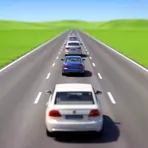
Furthest to the back in a line or group

Furthest toward the back

At the very back of a group or line

Furthest toward the back of something
Surface Forms
Morphology
aftermost = (transparent) = after + most
Meaning is directly derived from 'after' + the superlative-forming '-most' meaning 'furthest to the rear'. [Postprocessing: moved 'after' from base_words to prefix]
Etymology
Aftermost comes from after ('behind') and most ('furthest'), so it means the part that is furthest to the back. A helpful image is standing at the very back of a ship, which is the aftermost place and explains why we use it for the rear of a vessel or vehicle.