

adulterant
 1
8.6
1
8.6

- noun
- /əˈdʌltərənt/
- Specialized
- The reference standards of eight NPS drugs, eight adulterants, and twelve cutting agents were used for the study.
Examples
-
I mean, there's no adulterants, no alkaloids, no dilutants.
-
This is again due to the sheer number of NPS, the permutations of mixtures that can be concocted with and without adulterants, and the continued emergence of new (i.e., unknown) chemical substances.
Academic text (2016) -
There are a small number of acceptable adulterants.
Blog text (11) -
Salmonella was considered an adulterant, and any product under the FDA's jurisdiction that contained it had to be removed from the market.
Academic text (2002) -
EPCA also heard allegations that even worse adulterants, such as waste solvents, had been introduced into transport fuels.
Academic text (2005) -
Yet crack has many adulterants in it that have to be removed, and it needs to be turned back into HCl (powder cocaine).
Blog text (29) -
In addition to the amount of drugs in question, the kind of purified substances (i.e., 100% drug without adulterants), and the number of potential users are seen as essential considerations.
Academic text (2007) -
Thus, the quantities of adulterants in incriminated LTCDS remained exceedingly low—650 ppm for the most prevalent (confirmed) evidence.
Blog text (14) -
The USDA prohibits adding substances like water to meat, as they are considered an adulterant.
-
In 1994, the USDA identified E. coli O157:H7 as an adulterant in ground beef, leading to strict safety regulations.
Synonyms
 1
9.0
1
9.0
A liquid that you add to medicine or chemicals to make them less strong

A substance that makes another substance less pure or less effective

A substance added to another to make it less strong, like water
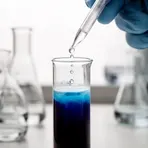
A substance added to something to make it less strong
How Impure

Surface Forms
Morphology
adulterant = adulterate (transparent) = adulter + ant
The word 'adulterant' is transparently derived from 'adulterate', with the suffix '-ant' indicating an agent.
Etymology
Adulterant comes from a Latin verb meaning 'to corrupt' or 'make impure' and is connected to the idea of making something 'other' or changed, like the English word alter ('change'). So, an adulterant is a substance added to make a product less pure or less effective.