
adiabatic process
- noun
- /ˌeɪdiəˈbætɪk ˈprɒsɛs/
- Specialized
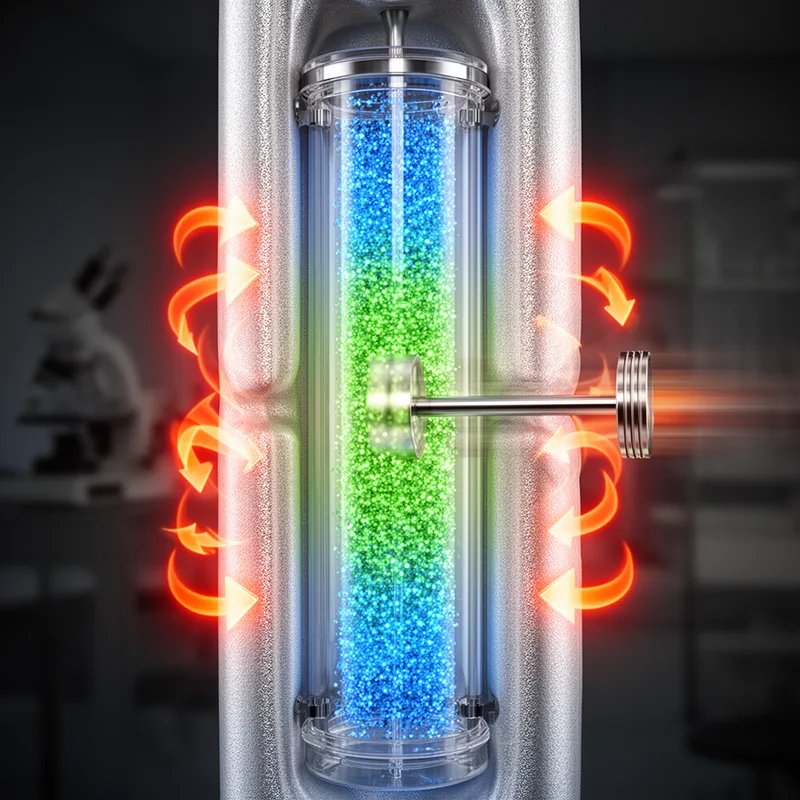
- In an adiabatic process, the gas expands without exchanging heat with its surroundings.
Loading YouTube…
Watch on YouTubeIt's a interesting part of the phase that goes in an adiabatic process, and we want to understand what it is and why people care about it.
- It's a interesting part of the phase that goes in an adiabatic process, and we want to understand what it is and why people care about it.
Examples
-
During an adiabatic process, the temperature of a gas can change while no heat is added or removed.
-
An example of an adiabatic process is the rapid expansion of air when a balloon bursts.
-
I am going to calculate the work done in an adiabatic process from here to here.
-
It's a interesting part of the phase that goes in an adiabatic process, and we want to understand what it is and why people care about it.
-
So in an adiabatic process where the universe is expanding, slower than particle reactions are taking place.
-
The logic I used in coming to my conclusion involved nothing but quasi-static reversible adiabatic processes, which by definition are also isentropic, but I was ignoring my own point (5) while thinking through point (2).
Blog text (18)
Surface Forms
Morphology
The adjective 'adiabatic' specifies 'no heat transfer' and 'process' denotes a sequence of changes, so together they literally mean 'a process with no heat transfer.' This is a straightforward adjective + noun composition (common cross-linguistically), so a learner who already knows both constituents can derive the MWE meaning.
Etymology
The term adiabatic process comes from Greek parts: a- meaning 'not' and diabatos meaning 'to pass through', creating the image of heat that cannot pass into or out of a container. So an adiabatic process is one where no heat enters or leaves.

