
actinism


 1
9.9
- noun
- /ˈæktɪnɪzəm/
- Specialized
- Photographic processes rely on the actinism of light.
Examples
-
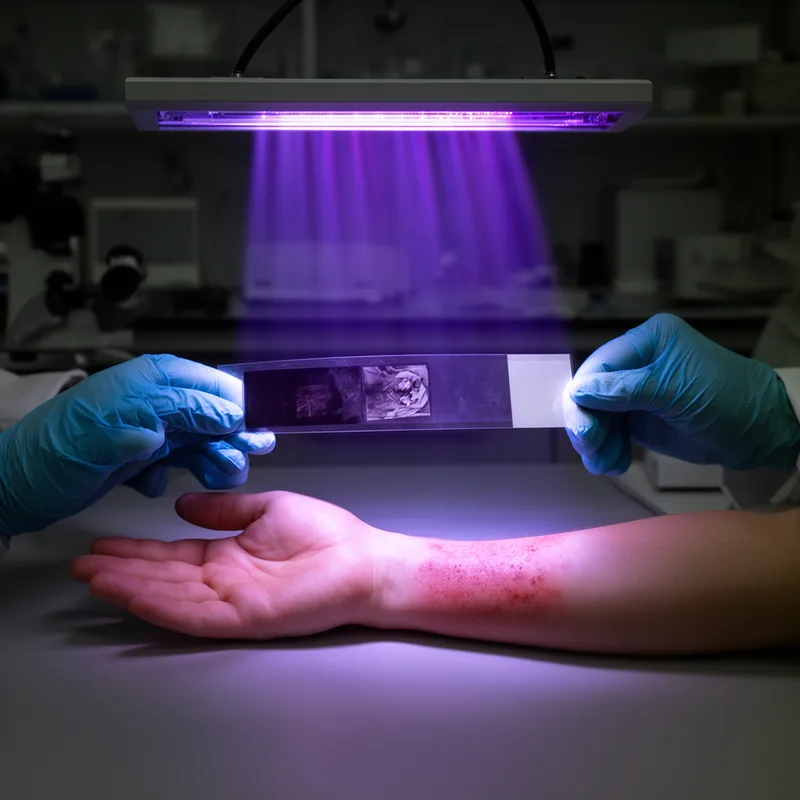
The actinism of sunlight can cause skin damage.
-
Researchers measured the actinism of the lamp to assess its impact on biological samples.
-
Early photography relied heavily on an understanding of actinism to develop effective plates.
-
The actinism of ultraviolet light causes certain chemicals in our skin to react.
-
Early photography relied heavily on an understanding of actinism to produce clear images.
-
Researchers measured the actinism of the lamp to ensure it had sufficient energy for photochemical reactions.
-
The actinism of ultraviolet light is responsible for causing sunburns on exposed skin.
Surface Forms
Morphology
actinism = actin (opaque) = actin + ism
The root 'actin' is highly specialized and not a common English word; the meaning of 'actinism' is not transparent to most learners.
Etymology
Actinism comes from the Greek root aktis meaning 'ray'. It describes the power of light rays (for example ultraviolet) to cause chemical or biological change, so actinism is why some light can change photographic film or affect the skin.