
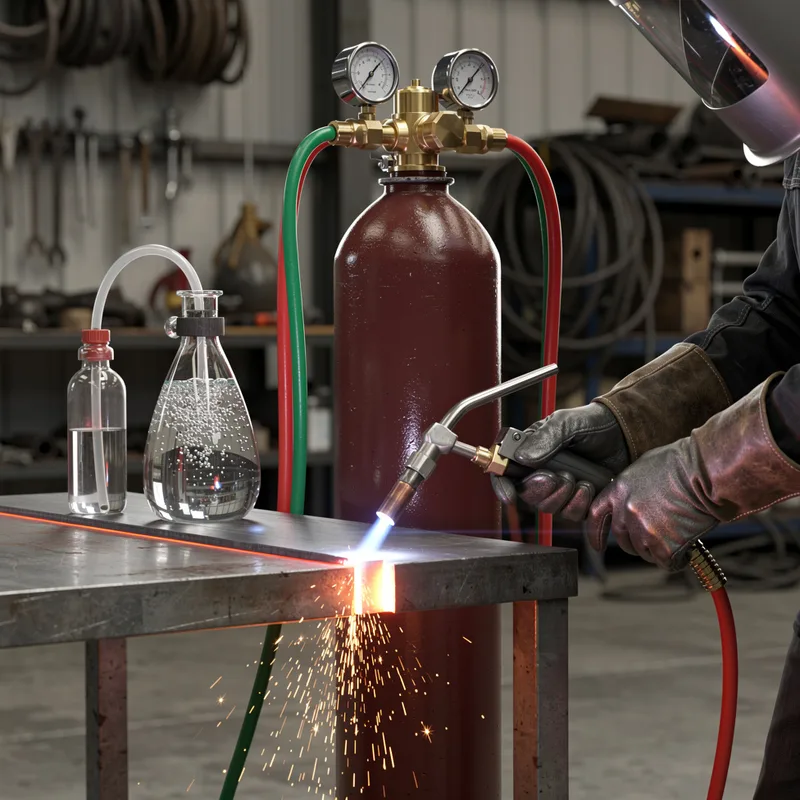
acetylene
 5
7.5

- noun
- /əˈsɛtəˌlin/
- Specialized
- Sulfurous light from the oxy-acetylene torch flashes on the walls and console.
- acetylene torch
- oxy-acetylene
- acetylene tank
Examples
-
So we use Acetylene and compressed air instead of oxygen.
-
The welder used an acetylene torch to join the metal pieces together.
-
So here we have a mixture of Acetylene and air.
-
You start by lighting the Acetylene and then you bring in the oxygen.
-
So here we start with Acetylene and add HCL, right?
-
I had the acetylene torch in my hand...
-
Next, their parts were either stripped away or cut by acetylene torches.
Academic text (1993) -
I rented an acetylene tank for the cutting torch.
-
With steady hands, he lit the acetylene torch and turned it on the door.
Blog text (25) -
Because that was the week my father, the welder, brought home his oxy-acetylene torch.
Blog text (12)
Synonyms
A colorless, highly flammable gas used for welding and making chemicals
Surface Forms
Morphology
Etymology
Acetylene comes from the part acet-, from a Latin word for 'vinegar', and the ending -ene, as in ethylene, which appears in names for simple gas compounds. So the name reminds you it is a small gas made of carbon and hydrogen, which fits its use as a flammable gas for welding.