
acaryote
- noun
- /əˈkɛrɪoʊt/
- Specialized
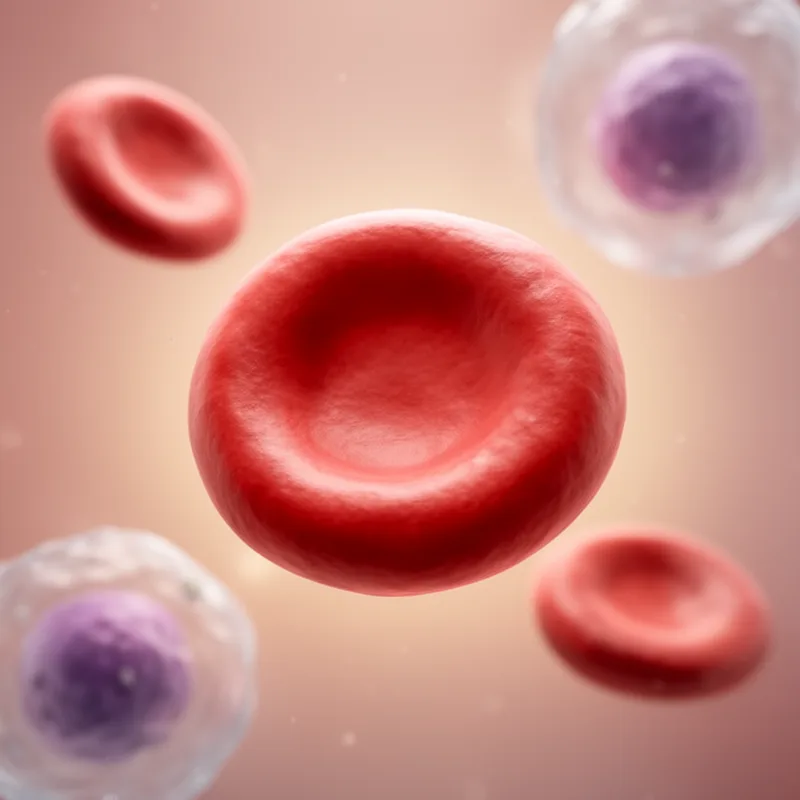
- Erythrocytes are considered acaryotes because they lack a nucleus.
Examples
-
The presence or absence of a nucleus distinguishes acaryotes from other types of cells.
-
An acaryote does not have a nucleus.
-
Certain ancient single-celled organisms are classified as acaryotes due to their cellular structure.
-
Red blood cells are a type of acaryote.
-
Erythrocytes are considered acaryotes because they lack a nucleus.
-
Certain ancient single-celled organisms are classified as acaryotes due to their cellular structure.
-
Red blood cells are a type of acaryote that do not contain a nucleus.
Synonyms

A cell that does not have a nucleus, like a red blood cell

A cell that has no nucleus, like a red blood cell
Surface Forms
Morphology
acaryote = karyote (semi-transparent) = a + caryote
The privative prefix 'a-' meaning 'without' is productive and creates the expected meaning, but 'caryote' is a technical combining form not a common standalone English word, so the term may not be immediately clear to general learners.
Etymology
Acaryote comes from the prefix a- meaning 'not' and the root karyote from a Greek word for 'nut' or 'kernel', a picture people used for the cell's 'nucleus'. So an acaryote is a cell 'without' a nucleus, which is why red blood cells are described this way.

