

acanthopterygian
- noun
- /əˌkænθəˈtɛrɪdʒən/
- Specialized
- Ichthyologists study the unique dorsal fin spines characteristic of acanthopterygian fishes.
Examples
-
In the study of marine biology, an acanthopterygian is often identified by its distinct fin structure and sharp rays.
-
The acanthopterygian lineage includes many familiar marine species found in reefs and open waters.
-
A close examination of the aquarium revealed an exotic acanthopterygian among the other tropical fish.
-
The acanthopterygian fish is known for its unique fin structure.
-
The acanthopterygian family includes popular aquarium fish.
-
The acanthopterygian fish, such as angelfish and snapper, are commonly found in coral reefs.
-
Many sports fishermen target acanthopterygian species for their speed and agility in the water.
Synonyms

A fish with hard, sharp spikes on its fins
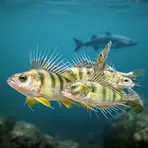
A group of fish with sharp bony spines in their fins, like many common sea and freshwater fish

A large group of fish with bones and sharp spines in their fins, like perch and tuna
Surface Forms
Morphology
acanthopterygian = Acanthopterygii (opaque) = acanth + pteryg + ian
Formed from technical Greek combining forms plus the derivational suffix '-ian'; the elements are specialist terms unlikely to be recognized by an average learner.
Etymology
Acanthopterygian comes from Greek parts acanth- meaning 'thorn' or 'spine' (think 'spiny') and pteryg- meaning 'fin' or 'wing'. So it names fish whose fins are held up by sharp, stiff spines.

