
to abound in
 8
3.9
8
3.9

- phrasal verb
- /əˈbaʊnd ɪn/
- Opportunities to be synchronous with others abound in general music classes as well as in performance-based ensembles.
- abound in the literature
- abound in examples
- abound in opportunities
Loading YouTube…
Watch on YouTubeAnd there are so many examples of of this that abound in modern culture.
- And there are so many examples of of this that abound in modern culture.
- May solace abound in our lives, touching all who we meet.
Examples
-
Rumors abound in the capital as the prime minister and his cabinet depart
-
Well-known examples of this phenomenon abound in the field of animal behavior.
Academic text (1991) -
The colonies abound in men who could serve as soldiers.
-
Rumors abound in the streets about your powers.
-
The same assumptions about art and humanity abound in the field of modern art.
Academic text (2008) -
Critical challenges abound in the democratic arena and in the social studies curriculum.
Academic text (2002) -
Our growing database on children's behavior indicates that "abnormal" behavior abounds in the classroom and home.
Academic text (1990) -
Borges, an insomniac, was fascinated and terrified by dreams, and his work abounds in dreams and dreamlike wanderings.
Academic text (2011) -
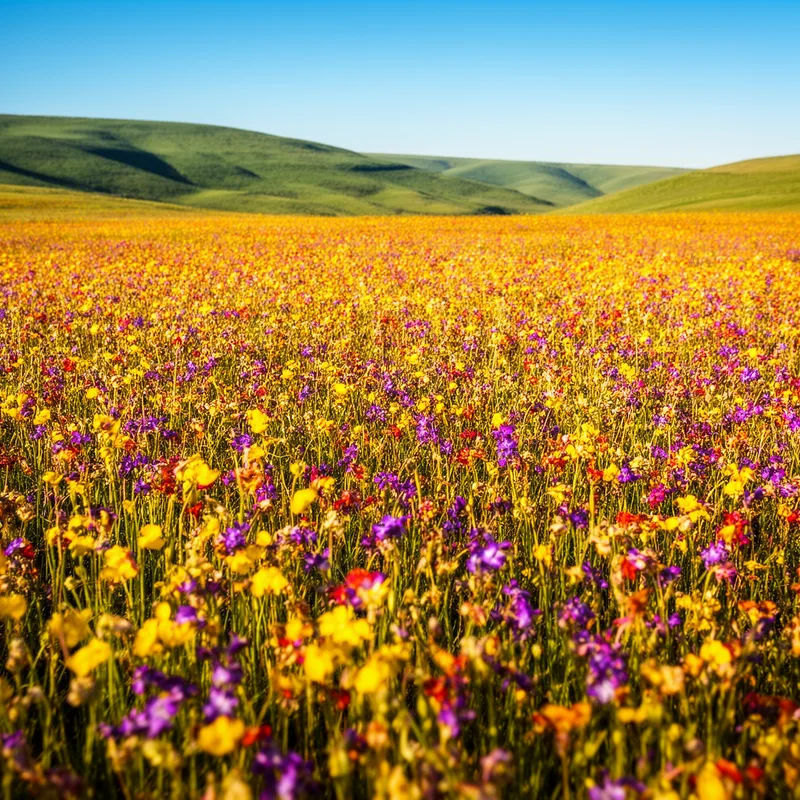
The garden abounds in vibrant flowers during the spring season.
-
Local markets abound in fresh produce, making it easy to eat healthy.
Synonyms
 52
4.2
52
4.2
Be present in large numbers

To be full of many people or things in a place

Be full of many people or things
How Plentiful

Surface Forms
Morphology
The verb 'abound' already means 'to exist in great quantities' and the preposition 'in' simply specifies where, so a learner who knows both words can directly derive 'abound in' as 'to be plentiful in/within something'. This is a straightforward verb+preposition compositional pattern common in English and other languages, making the expression transparent to B1 learners who know the constituents.
Etymology
Abound in comes from the image of something overflowing into a place, like a field so full of flowers they seem to spill over. So when we say a place abounds in something, we mean it is 'full of' or 'has a lot of' that thing.