

abdominal external oblique muscle
- noun
- /æbˈdɑːmɪnəl ɛkˈstɜrnəl oʊˈbliːk ˈmʌsl/
- Specialized
- During exercise, the abdominal external oblique muscle helps rotate the trunk and flex the spine.
Examples
-
The abdominal external oblique muscle is essential for stabilizing the core during athletic activities.
-
In Pilates, engaging the abdominal external oblique muscles is essential.
-
Injury to the abdominal external oblique muscle can result in pain and decreased mobility.
-
The abdominal external oblique muscle helps in twisting the torso.
-
During exercise, the abdominal external oblique muscle helps rotate the trunk and flex the spine.
-
Injury to the abdominal external oblique muscle can result in pain and decreased mobility.
-
The abdominal external oblique muscle is essential for stabilizing the core during athletic activities.
Synonyms

 2
7.6
2
7.6

A muscle on each side of the belly that helps twist and bend the body
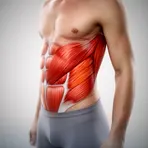
A flat muscle on the outside of the belly that helps twist the body and tighten the stomach area

A flat muscle on each side of the stomach that helps twist the body and pull in the waist
Surface Forms
Morphology
abdominal + external + oblique + muscle
Each word contributes directly to the overall meaning: 'abdominal' = in the abdomen, 'external' = outer, 'oblique' = slanted/diagonal, and 'muscle' = tissue producing movement, so the phrase literally describes a diagonal outer abdominal muscle. Although anatomical terminology is formal, the composition is transparent and follows normal modifier+noun logic, so a B1 learner who knows the constituent words can infer the meaning.
Etymology
Abdominal external oblique muscle simply describes what and where this muscle is: abdominal means 'belly', external means 'outside', and oblique means 'slanted'. So imagine a wide slanted band on each side of the belly; the name helps you remember that this outer muscle helps twist and support the body.