
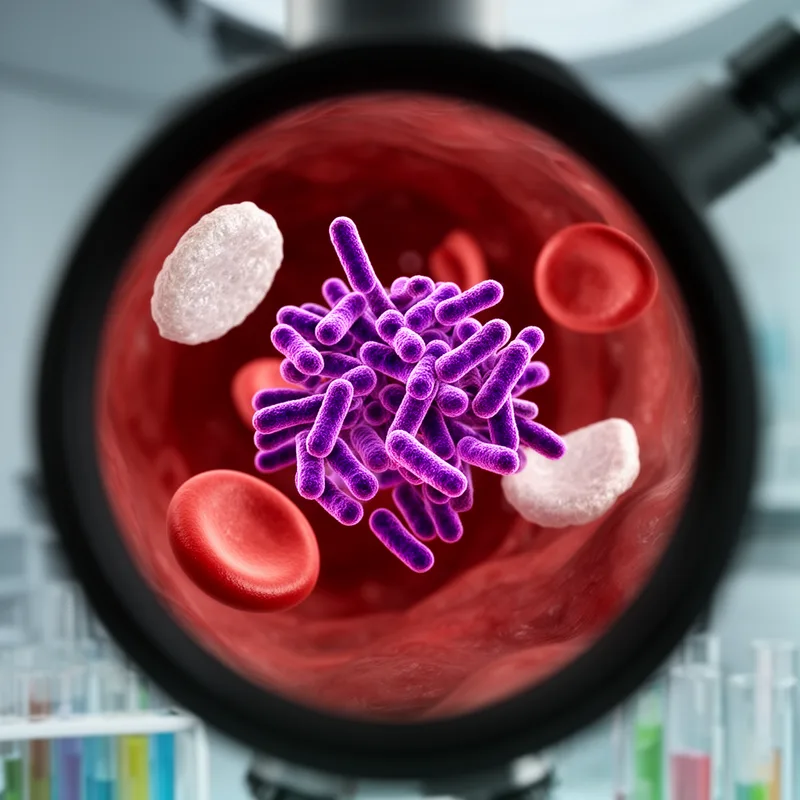
Yersinia
 1
9.9

- proper noun
- /jɜrˈsɪniə/
- Specialized
- The bacteria, Yersinia pestis, is prevalent in rats, and it is transmitted to humans via flea bites.
- Yersinia pestis
Examples
-
Plague, a zoonotic disease caused by the bacterium Yersinia pestis, has been responsible for at least three pandemics.
Academic text (2013) -
Some say the Black Death was a bacterial strain of Yersinia pestis.
Blog text (28) -
Yersinia pestis, being a bacterium, is massive when compared to a virus, and is easily treated with modern antibiotics.
Blog text (12) -
Yersinia infection most often occurs from eating raw or undercooked pork products, such as chitterlings.
Academic text (2005) -
Through the introduction of dry heat, both the elimination of the plague bacillus (Yersinia pestis) and its vectors (the fleas) were guaranteed (30).
Academic text (2013) -
The CDC also noted significant reductions in illnesses caused by E. coli and the pathogens Listeria, Campylobacter, Yersinia, and Salmonella.
Academic text (2006) -
The Black Death bubonic pandemic, believed to be caused by the bacterium Yersinia pestis, is estimated to have killed between a third and two-thirds of Europe's population after it spread to Europe in 1347 from Southwestern/Central Asia.
Blog text (12) -
The bacterium Yersinia pestis is known for causing the plague, which decimated populations in medieval Europe.
-
In her microbiology class, she learned that Yersinia can lead to severe diseases, including the infamous bubonic plague.
-
The scientist explained how Yersinia pestis is transmitted through flea bites, making it a concern for public health.
Surface Forms
Morphology
Yersinia = Yersin (opaque) = Yersin + ia
A Latinized taxonomic formation from a proper name; knowing the name 'Yersin' does not allow a learner to infer 'genus of bacteria' in ordinary English.
Etymology
Yersinia is named after the scientist Yersin, who discovered the germ that causes the plague. The ending -ia is a Latin name ending used for groups of living things, so Yersinia means a 'group' of bacteria linked to plague and other diseases.