

Yangtze Kiang


 1
4.9
1
4.9
- proper noun
- /jæŋˈtsiː kiˈɑːŋ/
- Archaic
- The Yangtze Kiang is known for its stunning landscapes.
Examples
-
Many tourists visit the Yangtze Kiang every year.
-
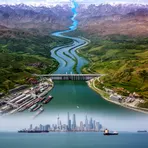
The Three Gorges Dam was constructed across the Yangtze Kiang to control flooding and generate electricity.
-
Many cities along the Yangtze Kiang rely on its waters for transportation and irrigation.
-
The Yangtze Kiang has played a vital role in China's history and economy.
-
The Yangtze Kiang is known for its breathtaking scenery and cultural significance in China.
-
Many large cities, including Wuhan and Shanghai, are located along the banks of the Yangtze Kiang.
-
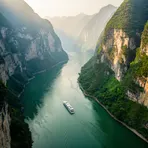
The Yangtze Kiang flows through steep gorges and lush valleys, attracting thousands of tourists every year.
Synonyms
 7
4.3
7
4.3
A long river in China that flows east from Tibet to the sea near Shanghai
 1
2.7
1
2.7
The longest river in Asia flowing east from Tibet through China to the East China Sea near Shanghai
 1
5.6
1
5.6
A long river in China, also called the Yangtze, flowing east from Tibet to the East China Sea near Shanghai

The longest river in Asia that flows east to the East China Sea near Shanghai
Surface Forms
Morphology
Yangtze + Kiang
This is a place name whose referent ('the longest river in Asia') is directly signalled by the constituent 'Yangtze'; 'Kiang' is an older/variant romanization of the Chinese word for river and does not change the meaning. A B1 learner who knows 'Yangtze' (or both constituents) will readily recognize this as the river, so the expression is transparently compositional.
Etymology
Yangtze Kiang comes from older ways of writing Chinese names in English. Yangtze is an older Western form of the river's name and Kiang is an old spelling of the Chinese word for 'river' from Chang Jiang, which means 'Long River', so the name points to China's great 'long river'.