
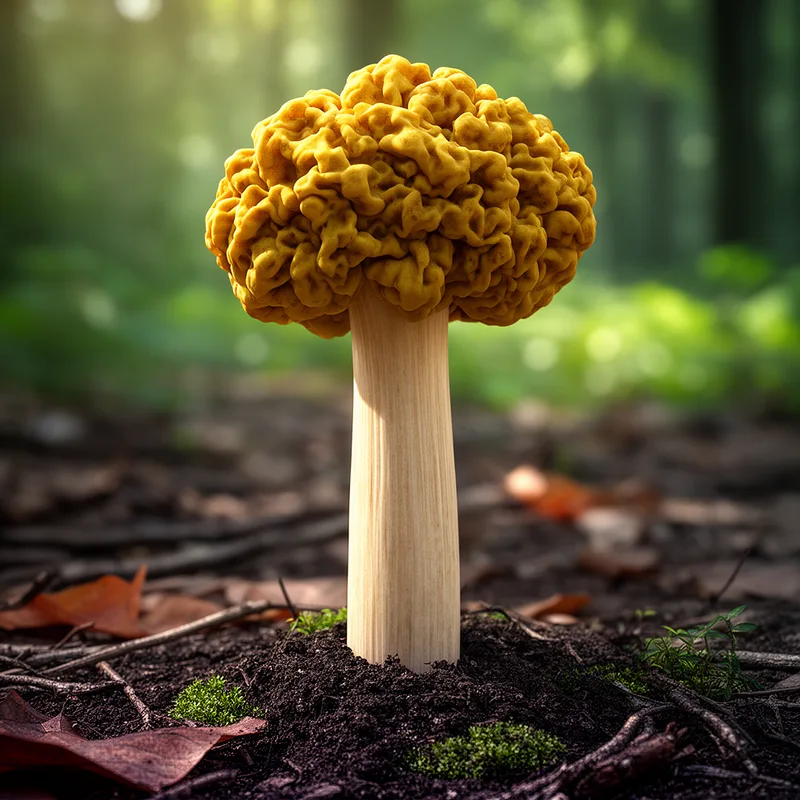
Wynnea sparassoides
- noun
- Specialized
- The striking appearance of Wynnea sparassoides makes it easy to spot in forest undergrowth.
Examples
-
Scientists studied the habitat preferences of Wynnea sparassoides to better understand its ecological role.
-
The Wynnea sparassoides is often found in damp, shaded areas.
-
Mycology enthusiasts often search for Wynnea sparassoides because of its unusual cauliflower-like cap.
-
Have you ever seen a Wynnea sparassoides in the wild?
-
Mycology enthusiasts often search for Wynnea sparassoides because of its unusual cauliflower-like cap.
-
The striking appearance of Wynnea sparassoides makes it easy to spot in forest undergrowth.
-
Scientists studied the habitat preferences of Wynnea sparassoides to better understand its ecological role.
Surface Forms
Morphology
Wynnea + sparassoides
This is a scientific Latin binomial (a genus name plus a species epithet) rather than a compositional English phrase; the second element 'sparassoides' is not an ordinary English word and its meaning (resembling Sparassis/cauliflower-like) requires specialized etymological or biological knowledge. A B1 learner who knows the constituent labels would not be able to derive the descriptive meaning from these proper-name components, so the expression is not transparently interpretable.
Etymology
Wynnea sparassoides may come from the mushroom's look: the part sparassoides means 'like a cauliflower', and the fungus has a long, solid stalk with a yellow-brown head that really looks like a small cauliflower, so the name helps you remember this species.

