
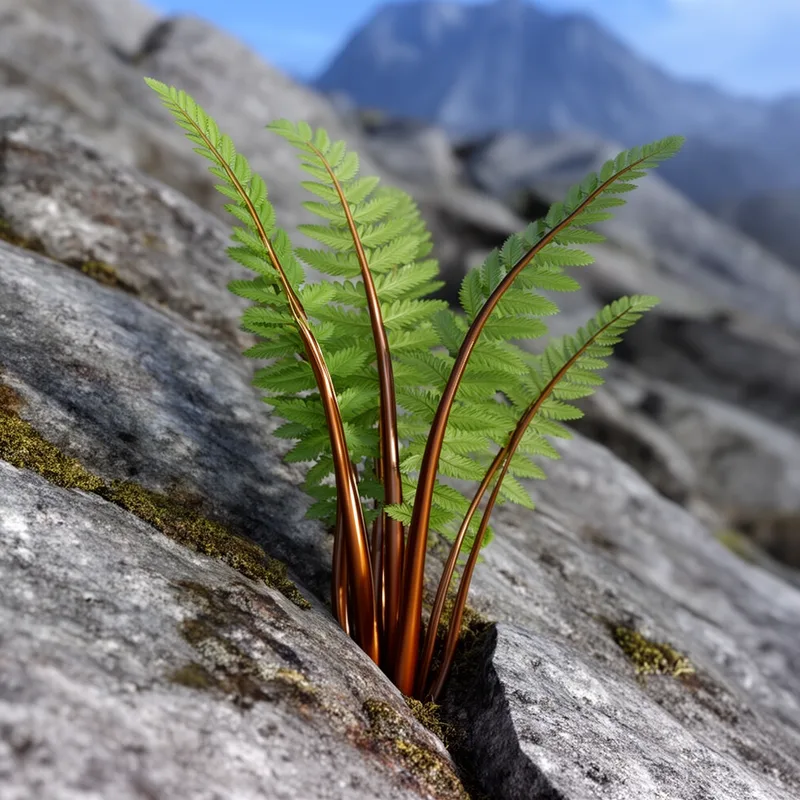
Woodsia alpina
- noun
- Specialized
- The rocky slopes were covered with Woodsia alpina thriving in the cool mountain air.
Examples
-
Gardeners prize Woodsia alpina for its delicate fronds and hardiness in shaded rock gardens.
-
Botanists are studying the distribution of Woodsia alpina in the Canadian Rockies.
-
The Woodsia alpina thrives in rocky areas.
-
I saw a Woodsia alpina while hiking in the Rockies.
-
Gardeners prize Woodsia alpina for its delicate fronds and hardiness in shaded rock gardens.
-
The rocky slopes were covered with Woodsia alpina thriving in the cool mountain air.
-
I saw a Woodsia alpina while hiking in the Rockies.
Synonyms
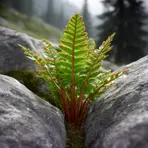
A small thin fern with shiny brown stalks and divided leaves with spores at the edges
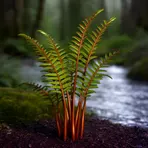
A slender plant with shiny brown stalks and divided leaves with small brown dots along the edges
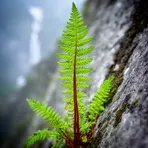
A thin fern from northern North America with chestnut stalks and divided leaves
Surface Forms
Morphology
Woodsia + alpina
The binomial combines a genus name (Woodsia = a type of fern) with a Latin epithet (alpina ≈ ‘alpine’), so a learner who knows both constituents could infer it denotes a fern associated with alpine/rocky habitats. However, as a scientific species name this is specialized and uses Latin morphology not typical of everyday English, so the identification is only partially predictable to a B1 learner without botanical knowledge.
Etymology
Woodsia alpina comes from two parts: the genus Woodsia, named for a plant scientist called 'Woods', and the species word alpina, which means 'of the Alps' or 'mountain'. So the name helps you remember it is a fern that lives on rocky mountain slopes.

