
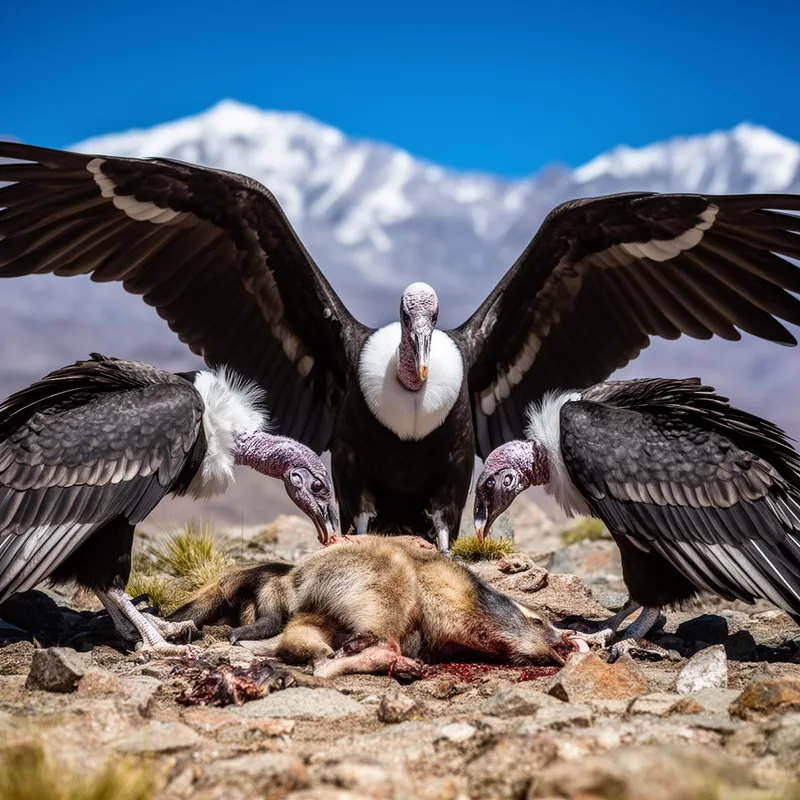
Vultur
- noun
- /ˈvʌltər/
- Specialized
- In the wild, a vulture can often be seen scavenging on carcasses.
Examples
-
This adaptation helps smaller vultures supplement their diet with dung, while larger vultures can consume diseased meat up to three days old.
-
There's some way in which two female vultures or maybe a single female vulture can create offspring in the absence of a male.
-
And you can see the Vulture in the background and the starving kid.
-
You get them by eating ungulate feces, which vultures are perfectly happy to do if it's fresh or even if it's not so fresh.
-
The vulture soared gracefully above the mountains, searching for food.
-
The documentary showcased how the vulture plays a vital role in the ecosystem by cleaning up waste.
Surface Forms
Etymology
Vultur comes from the old Latin word vultur, which meant 'vulture', the large bird that eats dead animals. So, the name Vultur simply marks a group of big birds that eat dead animals, like the Andean condor.

