
Urania


 1
9.9
- proper noun
- /juˈreɪniə/
- Literature
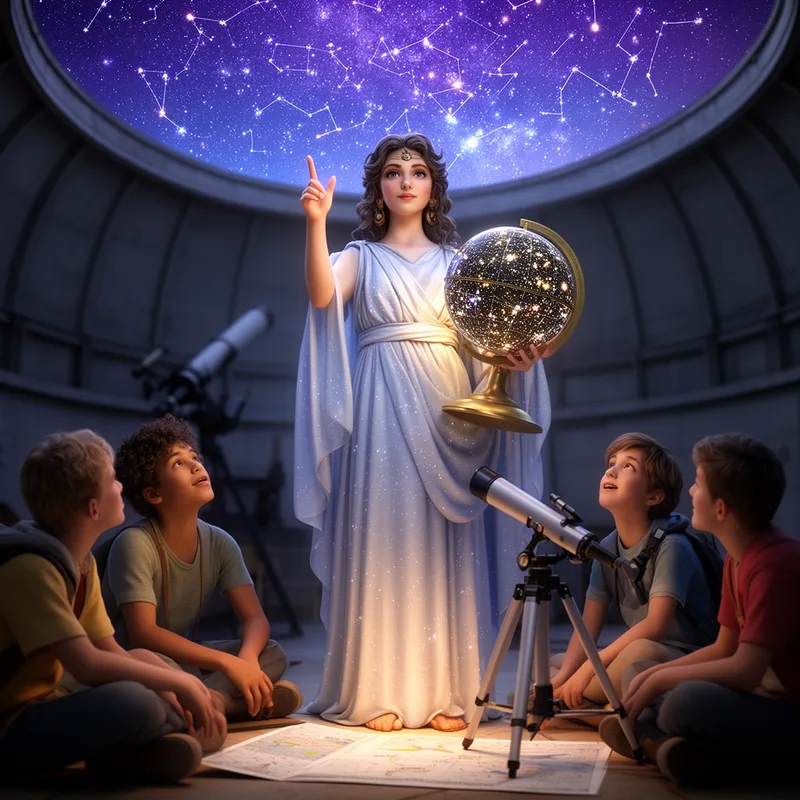
- Many artists have drawn inspiration from Urania, the Muse who governs the science of the heavens.
Examples
-
Edward Denny, Baron of Waltham, censured Lady Mary Wroth as a prodigious man-woman or hermaphrodite when she published the Urania in 1621.
Fiction book (1991) -
In Greek mythology, Urania is revered as the Muse of astronomy, inspiring those who study the stars.
-
Two sisters from the Dominican Republic lived there, Urania and Reinira Castillo, both in their seventies.
Blog text (19) -
The nine Muses, in reverse order, are Calliope, Urania, Polymnia, - Erato... - Polymnia.
-
PHOTO (BLACK & WHITE): Urania, the Muse of Astronomy, stands on one side of an enthroned allegorical representation of the science of the heavens.
Academic text (1992) -
According to legend, Urania was often depicted with a globe and a compass, symbolizing her connection to astronomy.
Surface Forms
Etymology
Urania comes from the Greek name Ouranos, which means 'sky' or 'heaven', and she is the Muse of astronomy. So Urania is used for things about the stars and the sky, and she even shares the same root as the planet Uranus.