
Uralic


 1
9.9
- noun
- /ˈjʊrəlɪk/
- Specialized
- Linguists study the origins and differences among Uralic languages.
Examples
-
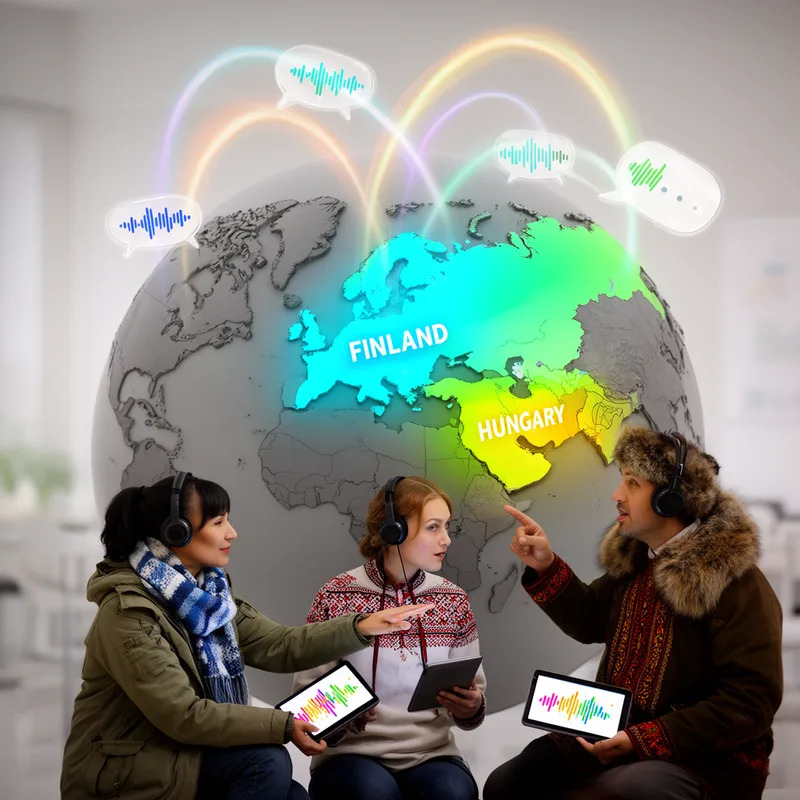
Hungarian and Finnish are both members of the Uralic language family.
-
Finnish and Hungarian are both part of the Uralic language family.
-
Most speakers of Uralic languages live in northern and eastern Europe.
-
The Uralic languages are fascinating to study.
-
The Uralic languages, including Finnish and Hungarian, are unique in their structure and vocabulary.
-
Researchers study the Uralic language family to better understand its origins and connections with other languages.
-
Many speakers of Uralic languages reside in regions across northern Eurasia, particularly in Finland and Estonia.
Compounds

- Specialized
1
9.5
A language people speak mainly in northern Europe and Asia, like Finnish or Hungarian
Surface Forms
Morphology
Etymology
Uralic comes from the name of the Ural Mountains plus the ending -ic, which means 'related to'. So Uralic means 'from the Urals' and names the family of languages spoken in that region, such as Finnish and Hungarian.