
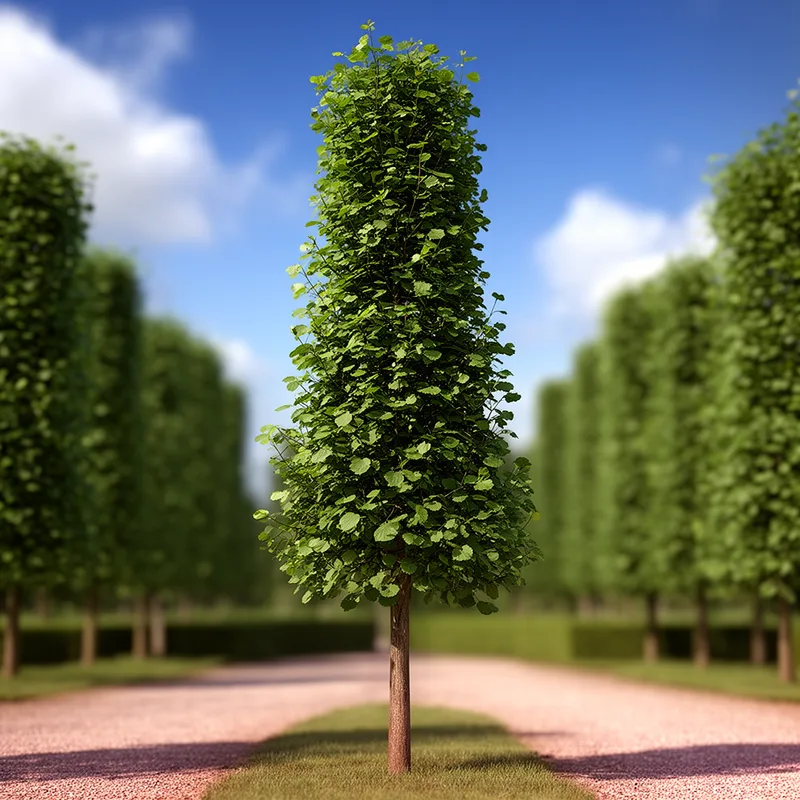
Ulmus campestris sarniensis
- noun
- Specialized
- The striking upright form of the Ulmus campestris sarniensis makes it popular in formal landscaping.
Examples
-
A row of Ulmus campestris sarniensis lines the garden, providing shade with their broad leaves.
-
Botanists have studied the unique leaf shape of the Ulmus campestris sarniensis for clues about elm evolution.
-
The Ulmus campestris sarniensis is known for its striking appearance.
-
Many gardeners prefer Ulmus campestris sarniensis for its ornamental qualities.
-
A row of Ulmus campestris sarniensis lines the garden, providing shade with their broad leaves.
-
The striking upright form of the Ulmus campestris sarniensis makes it popular in formal landscaping.
-
Many gardeners prefer Ulmus campestris sarniensis for its ornamental qualities.
Synonyms

A grown variety of English elm with upright branches and broad leaves used as a decorative tree

A tree with upright branches and broader leaves than other elms
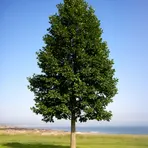
A type of English elm tree with upright branches and broader leaves

A tree with upright branches and broad leaves grown for its neat shape

A type of English elm grown for upright branches and broader leaves
Surface Forms
Morphology
Ulmus + campestris + sarniensis
This is a scientific Latin plant name in the standard genus + epithets format. A learner who knows 'Ulmus' (the elm genus) can infer it is a kind of elm, but the Latin epithets 'campestris' and 'sarniensis' are not transparent to a B1 learner and do not convey the specific cultivar traits (upright branches, broader leaves). Because the genus part is clear but the descriptive details are not derivable from the epithets, the expression is only partially transparent.
Etymology
Ulmus campestris sarniensis comes from Latin words: Ulmus means 'elm', campestris means 'of the fields', and sarniensis means 'from Sarnia', the old name for the island of Jersey. So the name gives a simple picture of an elm from the fields or Jersey, which helps you remember this special English elm grown in gardens.

