
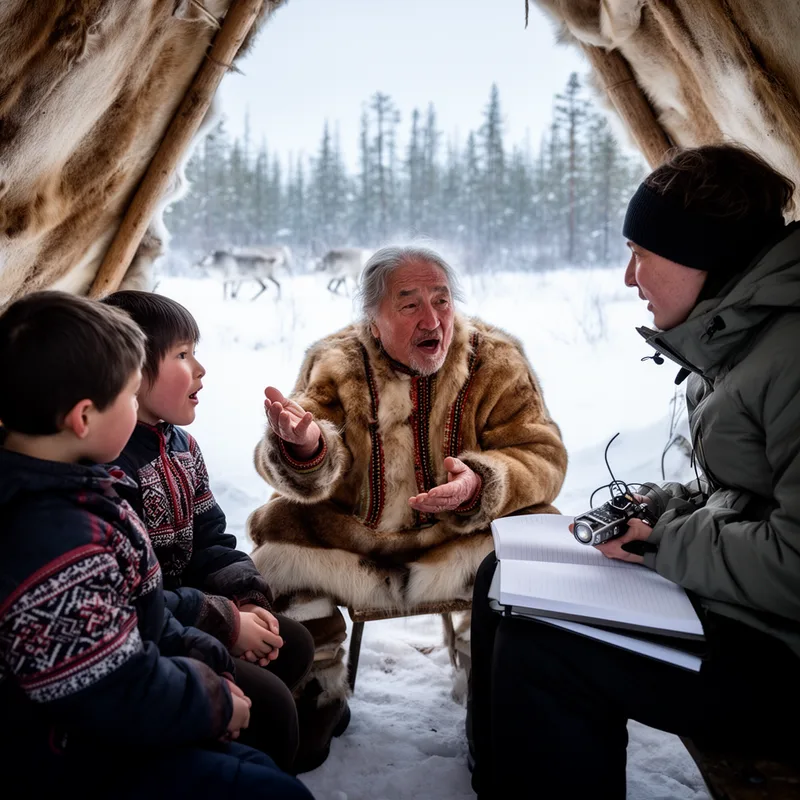
Tungus language
- noun
- There are efforts to preserve the Tungus language among younger generations of the Evenki people.
Examples
-
The Tungus language is traditionally spoken by communities across eastern Siberia.
-
Linguists have studied the Tungus language to understand the history of the Tungusic language family.
-
The Tungus language is rich in cultural expressions.
-
Many children in Siberia learn the Tungus language at school.
-
The Tungus language is traditionally spoken by communities across eastern Siberia.
-
There are efforts to preserve the Tungus language among younger generations of the Evenki people.
-
Many children in Siberia learn the Tungus language at school.
Synonyms


 1
9.9
A language spoken by an indigenous people in eastern Siberia and northern Mongolia
 1
9.9
A language spoken by the Evenki people in eastern Siberia
A language spoken by the Evenki people in eastern Siberia
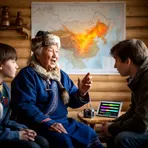
A language spoken by native people in eastern Siberia and parts of China
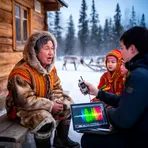
A language spoken by the Evenki people in eastern Siberia
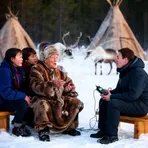
A language spoken by the Evenki people in eastern Siberia
Surface Forms
Morphology
Both constituents are literal and the noun phrase composition is directly interpretable: 'Tungus' names the people/language and 'language' denotes a spoken system, so 'Tungus language' straightforwardly means the language of the Tungus/Evenki. This is a common compositional pattern (X + language = the language of X) found across languages, so a B1 learner who knows the parts will understand the meaning.
Etymology
Tungus language comes from an old name 'Tungus' used by outsiders for the Evenki people of eastern Siberia. One popular story says Tungus began as a simple word meaning 'people', so Tungus language just means 'the people's language', which is why it refers to the Evenki language today.