

Trifolium dubium
- noun
- Specialized
- Botanists confirmed that the yellow-flowered Trifolium dubium is widespread throughout Ireland.
Examples
-
Trifolium dubium is often identified as the plant used for the traditional Irish shamrock symbol.
-
Gardeners sometimes include Trifolium dubium in their wildflower mixes to attract pollinators.
-
The Trifolium dubium is often found in Irish meadows.
-
Many people believe that Trifolium dubium is the true shamrock.
-
Trifolium dubium is commonly known as the true shamrock and grows in fields across Ireland.
-
In Ireland, Trifolium dubium is easily recognized by its small yellowish flowers.
-
You can find Trifolium dubium growing alongside other wildflowers in the lush Irish countryside.
Synonyms

A clover with yellow flowers that grows in Ireland and is often seen as the real shamrock
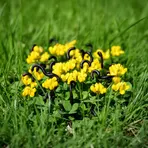
A low-growing plant with small yellow flowers and curved black seed pods often found in grass
Surface Forms
Morphology
Trifolium + dubium
The element 'Trifolium' directly signals the clover genus, so a learner who knows that could infer this is a species of clover; however 'dubium' is a Latin species epithet (not given in the dictionary) and binomial taxonomic names are specialized conventions rather than ordinary compositional phrases. The precise species identity and the cultural sense of 'the true shamrock' are not derivable from everyday English knowledge, making the transparency only partial.
Etymology
Trifolium dubium is the small, yellow three-leaf clover many people in Ireland call the 'shamrock'. Because its three tiny leaves were easy to see and used in stories about Saint Patrick, the plant became a simple sign of 'Ireland' and of good luck.

