
Thrace
 6
8.2

- proper noun
- In 1922, the developing military situation in Thrace was one of the important considerations that governed Mustafa Kemal's decision to attack the Greek army in Anatolia.
Loading YouTube…
Watch on YouTubeYou know, there was a young lady from Thrace whose corsets were too tight to lace.
- You know, there was a young lady from Thrace whose corsets were too tight to lace.
Examples
-
In that same century, in the conquered Greek province of Thrace, an illiterate slave woman added to her master's wealth by giving birth to a son whom she named Spartacus.
-
But now Thrace is divided.
-
The tradition of burying chariots near their dead owners was common in this part of Thrace.
Academic text (2007) -
On 23 September, the European powers proposed a meeting to discuss terms of peace, the restoration of Thrace, and the extent to which Greek soldiers should withdraw.
Academic text (1991) -
In A.D. 45, Thrace joined the Roman Empire, which then included most of the civilizations bordering the Mediterranean Sea.
Academic text (2007) -
Justinian is from a tough peasant background in Thrace, what's now Serbia.
-
In 1877-78, for example, Russian troops invaded the Ottoman Empire through the Balkans and into Thrace.
Academic text (1991) -
North and West of Constantinople lay the plains of Thrace, a fragment of the great steppe that stretches from the Black Sea to Mongolia.
-
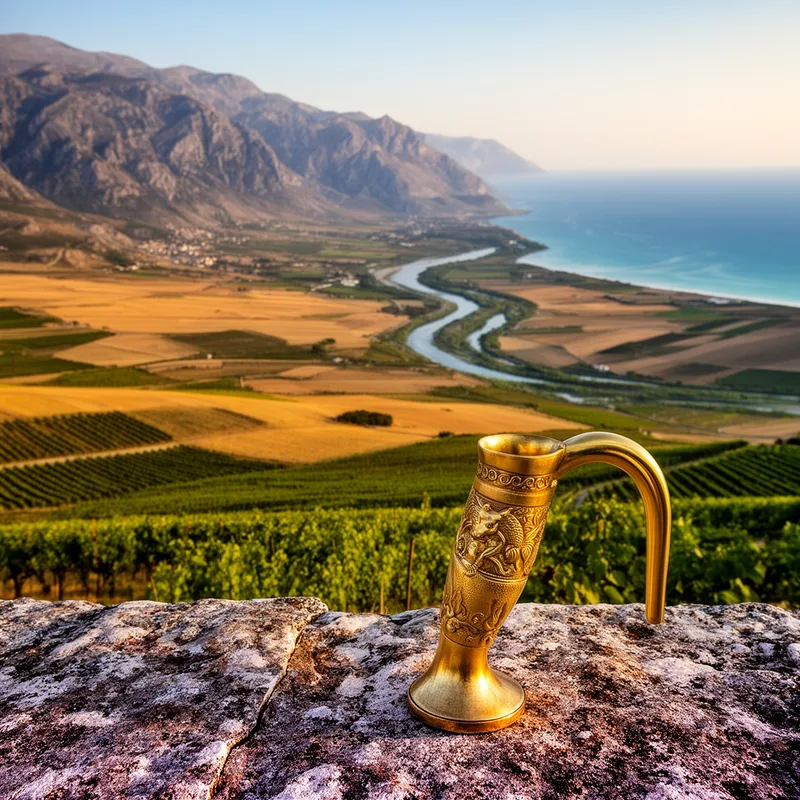
Thrace is known for its rich history and was once a major wine-producing region in ancient Thrace.
-
The ancient Greeks established several colonies in Thrace, significantly influencing its culture.
Surface Forms
Etymology
Thrace comes from the name of the ancient people who lived there, the Thracians, and simply means 'land of the Thracians'. That's why the same name still refers to the region in southeastern Europe that is now divided among Bulgaria, Greece, and Turkey.