
Terebellidae
- noun
- /ˌtɛrəˈbɛlɪˌdeɪ/
- Specialized
- Many species of Terebellidae are commonly found in marine environments, where they use their tentacles to feed.
Examples
-
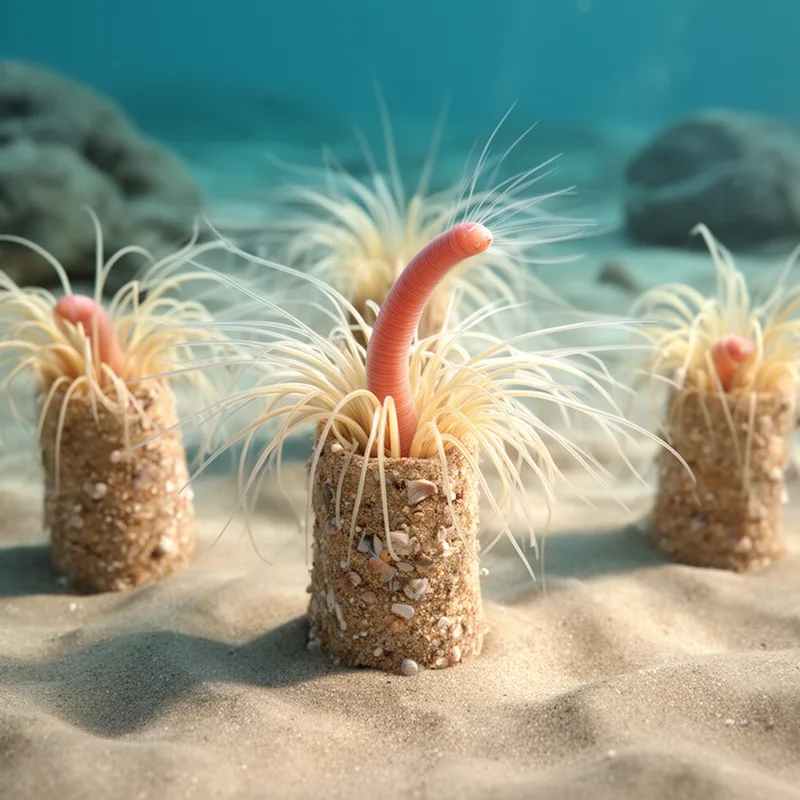
The Terebellidae construct tubes using sand grains on the ocean floor.
-
Researchers discovered a new species within the Terebellidae during their deep-sea expedition.
-
Many Terebellidae are recognized by their numerous, filamentous tentacles.
-
The Terebellidae family includes various species of marine worms.
-
Did you know that Terebellidae can burrow into the sand?
-
The Terebellidae family is known for forming intricate tube structures that protect them from predators.
-
Biologists study the Terebellidae because their unique burrowing behavior provides insights into marine ecosystems.
Surface Forms
Morphology
Terebellidae = Terebella (opaque) = Terebella + idae
A specialized taxonomic family-forming suffix '-idae' attached to a genus name is not transparent to average learners outside biology.
Etymology
Terebellidae comes from the Latin root terebra, which means 'borer' and is like the English word 'bore'. These worms dig into the sea floor and make tubes, so the name helps you remember they are tube-making, burrowing worms.

