
Tectaria macrodonta
- noun
- Specialized
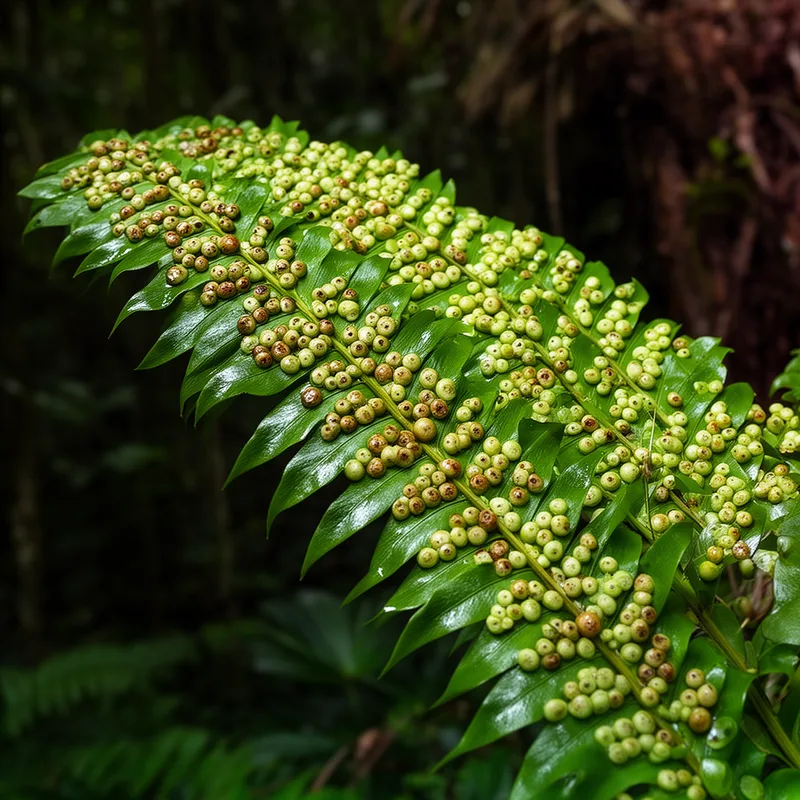
- The Tectaria macrodonta can be easily recognized by its distinctive round bulbils.
Examples
-
Scientists discovered a rare Tectaria macrodonta growing near the edge of the rainforest.
-
Gardeners appreciate Tectaria macrodonta for its unique appearance and adaptability to tropical climates.
-
The Tectaria macrodonta is often found in humid environments.
-
Many gardeners appreciate the beauty of Tectaria macrodonta.
-
Gardeners appreciate Tectaria macrodonta for its unique round, buttonlike bulbils that enhance tropical landscapes.
-
The Tectaria macrodonta fern is identifiable by its characteristic round bulbils, making it popular among plant enthusiasts.
-
In tropical Asia, Tectaria macrodonta thrives in moist conditions, often showcasing its distinctive bulbils.
Synonyms

A small fern with round buttonlike growths on its leaves that grows in warm, humid places
Surface Forms
Morphology
Tectaria + macrodonta
This is a scientific Latin binomial rather than a regular English phrase: an average B1 learner who 'knows' the listed constituents would not be able to derive the specific meaning 'a fern with round, buttonlike bulbils' because 'macrodonta' is not a common English word (and is absent from the dictionary entry). Even if one guessed Greek roots (macro- = large, -donta = tooth), that inference does not reliably produce the described botanical trait; understanding the name requires specialist botanical knowledge, so the MWE is not transparently interpretable by learners.
Etymology
Tectaria macrodonta gets its name from parts that paint a picture: macro 'big' and donta 'tooth' point to the fern's large, toothlike leaf edges. Gardeners also notice its round, buttonlike bulbils, so the name helps you remember it as the fern with big-toothed leaves and round bulbs.

