
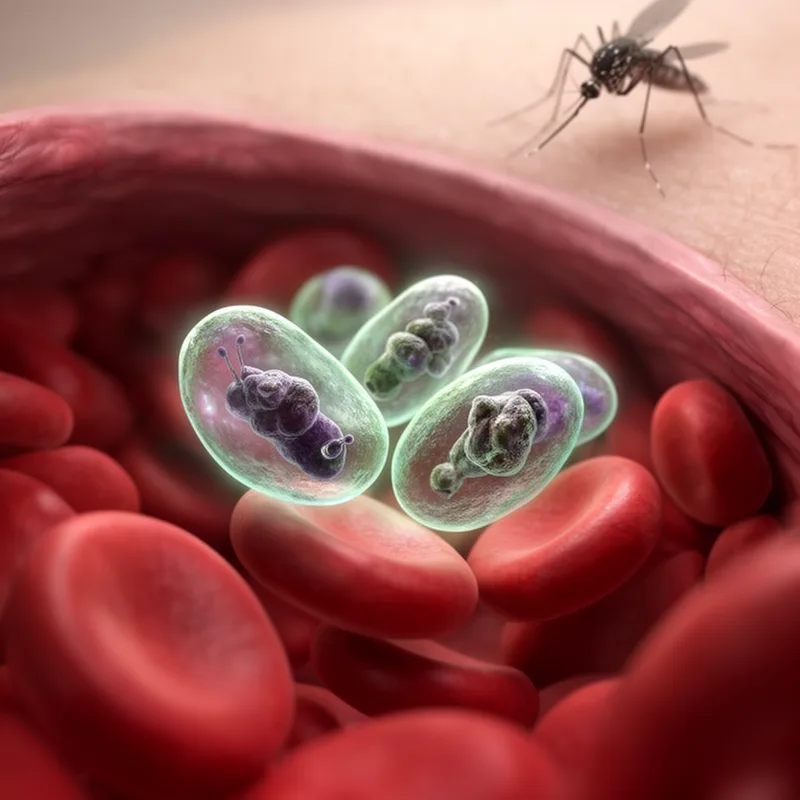
Sporozoa
- noun
- /ˌspɔːrəˈzoʊə/
- Archaic
- It is at least conceivable that they are also more resistant to attacks by the sporozoa that cause malaria.
Examples
-
Research on sporozoa has revealed important insights into the transmission of diseases like malaria.
-
The scientist studied the lifecycle of sporozoa to better understand how they infect hosts.
-
Many sporozoa are known to be a significant threat to agricultural crops due to their parasitic nature.
Surface Forms
Morphology
Sporozoa = sporozoan (opaque) = sporo + zoa
The connection to the singular/adjectival form 'sporozoan' is visible, but the Greek combining forms are technical and not fully familiar to average learners.
Etymology
Sporozoa comes from Greek parts spora meaning 'seed' or 'spore' and zoa meaning 'animals'. So the name is like 'spore-animals' and helps you remember these tiny, animal-like parasites have life stages that look like spores, which is why scientists once used this name for them.

