
Sonchus oleraceus
- noun
- Specialized
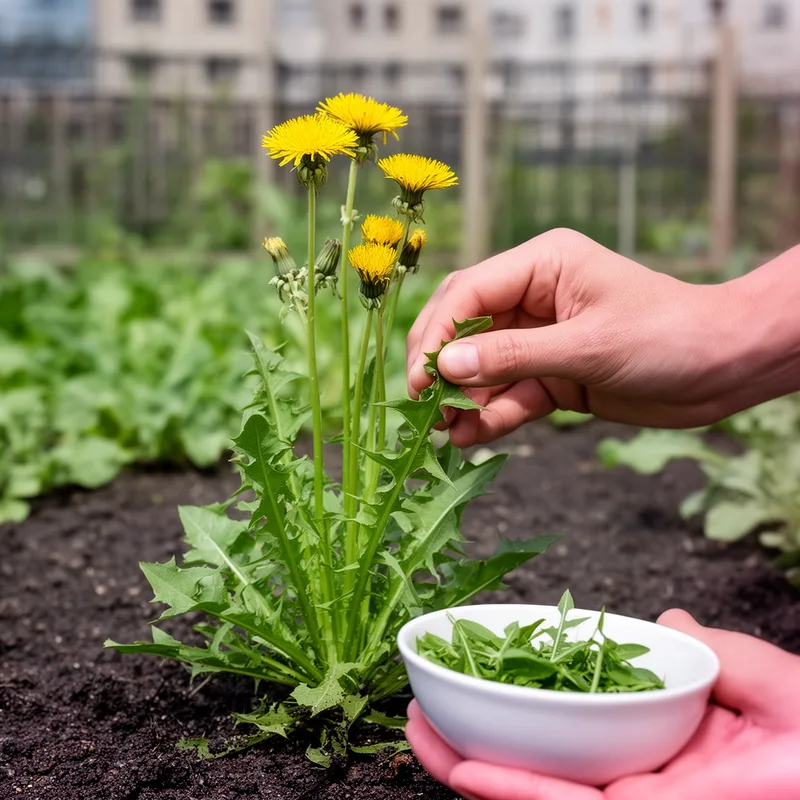
- Sonchus oleraceus has bright yellow flowers and soft, spiny leaves that attract various insects.
Examples
-
Many foragers use Sonchus oleraceus leaves in salads because of their mild, edible flavor.
-
Sonchus oleraceus is often seen growing as a weed in urban gardens and fields.
-
Researchers study Sonchus oleraceus to understand its impact on local ecosystems.
-
Look at the Sonchus oleraceus!
-
The Sonchus oleraceus blooms beautifully in the spring.
-
Sonchus oleraceus is commonly found growing as a weed in disturbed soils and gardens.
-
Sonchus oleraceus can thrive in various conditions, making it a resilient plant in rural areas.
Synonyms

A prickly plant with yellow flowers and white sap often found in gardens as a weed
Surface Forms
Morphology
Sonchus + oleraceus
This is a scientific Latin binomial rather than a normal English phrase: even if a learner recognised 'Sonchus' as a plant genus, 'oleraceus' is a Latin adjective (not a common English word) and the full taxonomic label functions as an arbitrary technical name. A B1 learner who knows the constituent tokens would not be able to derive the everyday meaning (“an annual sow thistle”) from them, so the expression is not compositionally transparent.
Etymology
The plant name Sonchus oleraceus may come from old Greek and Latin words that describe the plant. Sonchus probably refers to the plant's milky sap and oleraceus means 'of the kitchen garden', so the name gives the picture of a common edible 'weed'.

