

Solanum pseudocapsicum
- noun
- Specialized
- Gardeners are advised to keep Solanum pseudocapsicum out of reach of children and pets due to its toxicity.
Examples
-
Many people grow Solanum pseudocapsicum indoors for its attractive, cherry-sized fruits.
-
The bright berries of the Solanum pseudocapsicum add a festive touch to winter decor.
-
The Solanum pseudocapsicum is often grown indoors.
-
Many people enjoy the vibrant fruits of Solanum pseudocapsicum.
-
Gardeners are advised to keep Solanum pseudocapsicum out of reach of children and pets due to its toxicity.
-
Many people grow Solanum pseudocapsicum indoors for its attractive, cherry-sized fruits.
-
The bright berries of the Solanum pseudocapsicum add a festive touch to winter decor.
Synonyms
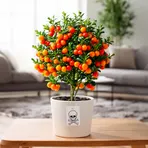
A small South American plant grown indoors for its bright, poisonous, cherry-sized fruit

A small potted plant with bright red or yellow berries that are poisonous

A plant that has bright red berries and is often used for decoration but can be poisonous
Surface Forms
Morphology
Solanum + pseudocapsicum
This is a Latin binomial (genus + species) functioning as a technical taxonomic label; the specific sense 'a small South American shrub with ornamental but poisonous fruits' is specialized and not transparently derivable from the given constituent labels. The species epithet 'pseudocapsicum' is not defined here (and even if parsed into pseudo- + capsicum it yields only a technical hint, not the plant description), so a B1 learner who knows the listed constituents would not reliably infer the MWE's meaning.
Etymology
Solanum pseudocapsicum comes from the plant's look: the parts pseudo and capsicum mean 'false' and 'pepper', so it is like a 'false pepper' with small, red, pepper-like fruits. That's a useful memory because these bright, cherry-sized fruits look pretty like tiny peppers or cherries but are 'poisonous' and not for eating.

