
Simaroubaceae
- noun
- /ˌsɪməˈruːbeɪsiː/
- Specialized
- Picramnia latifolia (Simaroubaceae), a small understory tree, provides an illustration: its population size was 1,170 individuals in 1982, 1,176 in 1985, and 1,173 in 1990.
Examples
-
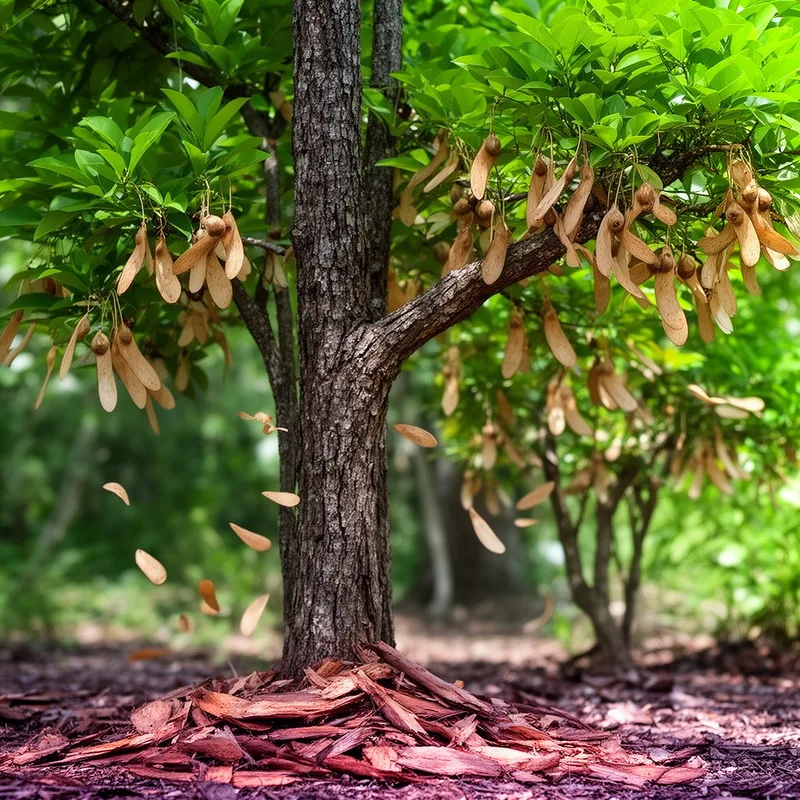
Some trees from the Simaroubaceae family, like the Quassia amara, produce winged fruits that are dispersed by the wind.
-
The Simaroubaceae family includes several species known for their distinctive bitter bark, which is often used in traditional medicine.
-
Researchers study the Simaroubaceae family to understand the ecological roles these tropical trees play in their environments.
Synonyms

A group of mainly tropical trees and shrubs with bitter bark and dry fruits with one seed
Surface Forms
Morphology
Simaroubaceae = Simarouba (opaque) = Simarouba + aceae
Formed from a Latinized genus name plus the technical taxonomic suffix '-aceae'; this specialized scientific formation is not transparent to an average B1 learner.
Etymology
Simaroubaceae comes from the tree name Simarouba plus the plant family ending -aceae, which means 'family' and appears in names like Rosaceae. So, Simaroubaceae is the 'Simarouba family', a name for a group of tropical trees and shrubs often known for their bitter bark and single-seeded winged fruits.

