
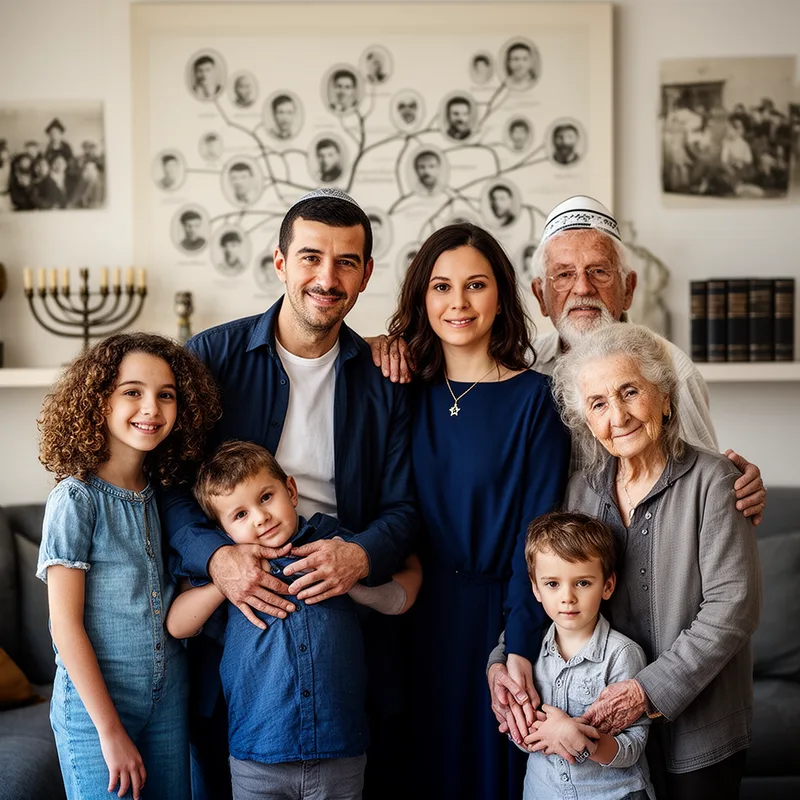
Shochet
- proper noun
- /ˈʃoʊkɛt/
- Many people with the surname Shochet trace their ancestry to Eastern Europe.
Examples
-
The Shochet family has lived in this city for generations.
-
Dr. Miriam Shochet published a study on communal dietary practices last year.
-
Mr. Shochet is a respected member of the community.
-
The Shochet performed the ritual slaughter with great care.
-
Dr. Miriam Shochet published a study on communal dietary practices last year.
-
The Shochet family has lived in this city for generations.
-
Many people with the surname Shochet trace their ancestry to Eastern Europe.
Synonyms
 84
6.3
84
6.3

A family name of German or Jewish origin
 70
7.2
70
7.2
A family name used by people
 33
9.1
33
9.1
A Hebrew family name used by some Jewish people
 12
9.5
12
9.5
A last name that people in the same family share
 3
8.8
3
8.8
A family name from Germany and nearby countries
 2
8.5
2
8.5
A family name used by many people
 1
9.9
1
9.9
A Jewish last name for families whose ancestors were priests
A Jewish last name showing someone comes from the priest family

A family name shared by members of the same family
Surface Forms
Etymology
Shochet is a Jewish family name that comes from a Hebrew word meaning 'slaughterer', a person who prepares animals for kosher meat, like the English word butcher. So the surname originally showed someone's job, which is why families still have the name today.