
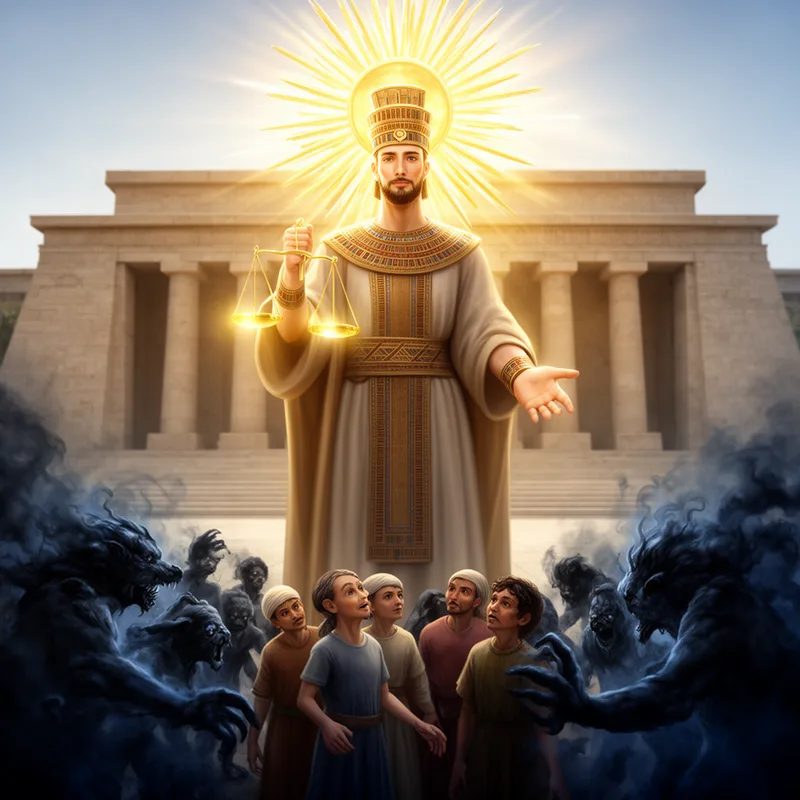
Shamash


 1
9.9
1
9.9
- proper noun
- Literature
- The major deity most frequently represented in catalogues of Old Babylonian cylinders is the sun god Shamash, shown ascending with his saw with which he cuts decisions.
- the sun god Shamash
- Shamash the god
Examples
-
Many stories in Mesopotamian mythology feature Shamash as the guardian of travelers.
-
In ancient times, people prayed to Shamash for justice and protection from evil.
-
At last, Shamash shall visit you in the feast of your love.
-
Oh, I'm delighted to hang up my wing sandals today, Shamash, but I am keeping my helmet on because we are in for a wild ride.
-
Not only was he the preserver of law and justice in the courts, a role important to every active citizen, but texts concerning Shamash indicate that he was believed to have traits of kindness and helpfulness to man.
Academic text (1993) -
Probably in Babylon, "Maso" was the title of Shamash (Sun God) who was the lawgiver and the son of Bel, and the brother of Ishtar, also in some sources it is mentioned a mountain from behind which the sun always rose.
-
The festival honoring Shamash celebrated the sun's power and benevolence.
Surface Forms
Etymology
Shamash comes from an old name in ancient Mesopotamia that means 'sun'. Because the sun brings light and can 'see' everything, Shamash was the sun god who judged people, showed justice, and drove away evil.