
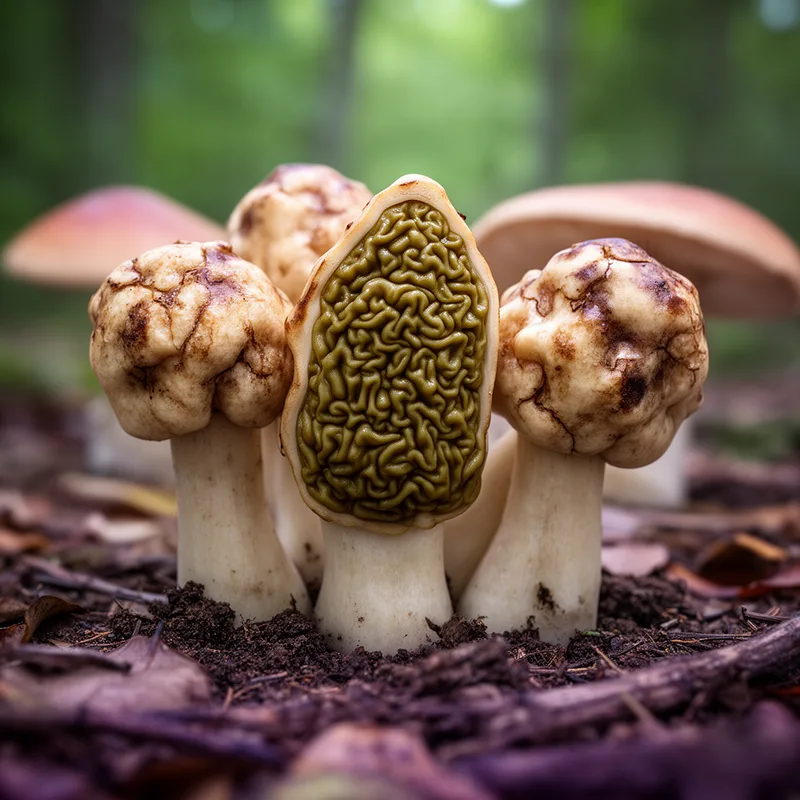
Secotiaceae
- noun
- /sɪˈkoʊtiˌeɪsiˌi/
- Specialized
- The Secotiaceae fungi are characterized by their stalk and cap, along with a unique gleba where spores are formed.
Examples
-
The unique gleba structure of Secotiaceae distinguishes them from other fungal families.
-
The Secotiaceae are often mistaken for distorted forms of more familiar mushrooms.
-
Mycologists recently discovered a new species within the Secotiaceae in Australia.
-
Look at that Secotiaceae!
-
The Secotiaceae family includes various unique fungi.
-
Research has shown that the Secotiaceae family contains fungi with distinctive wrinkled tissue that produces spores.
-
Many species in the Secotiaceae family are recognized for their unusual shapes and structures, often resembling other mushroom types.
Surface Forms
Morphology
Secotiaceae = Secotium (opaque) = Secotium + aceae
The suffix '-aceae' is a specialized taxonomic ending denoting a family of organisms and is not meaningful to general learners, so the relation to the genus name is not derivable by most learners.
Etymology
Secotiaceae comes from the fungal genus Secotium, which shares a Latin root with section, a word meaning 'to cut'. A helpful way to remember it is that these fungi often look 'cut off' or closed, with their spore mass hidden, so the name points to their closed, often misshapen form.

