

Scutigerella immaculata
- noun
- Specialized
- Scutigerella immaculata can cause significant root damage to seedlings in commercial greenhouses.
Examples
-
Preventing Scutigerella immaculata infestations is crucial for protecting young vegetable crops.
-
Gardeners often mistake the presence of Scutigerella immaculata for a sign of poor soil health.
-
The Scutigerella immaculata can damage the roots of plants.
-
In the greenhouse, we found a Scutigerella immaculata infestation.
-
Scutigerella immaculata can damage the roots of greenhouse vegetables, leading to reduced crop yields.
-
To manage Scutigerella immaculata in your garden, regularly inspect the soil and remove any visible pests.
-
The gardener noticed that Scutigerella immaculata was affecting the health of her plants' roots.
Synonyms

A small many-legged creature that lives in soil and eats plant roots

A small soil animal like a tiny centipede that lives in rotting plant material

A very small animal that lives in soil and eats plant roots in gardens or greenhouses

A very small many-legged animal that lives in soil and eats plant roots
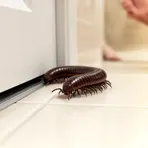
A small long creature with many legs like a millipede
Surface Forms
Morphology
Scutigerella + immaculata
This is a Latin binomial taxonomic name, not a compositional English phrase; the constituent forms are proper-name elements rather than ordinary English words (and 'immaculata' has no dictionary entry here). Even if parts resemble English morphemes (e.g., -ella or immaculate), a B1 learner who only 'knows' the listed constituents would not reliably infer the species meaning 'a small soil-dwelling arthropod,' so the relation is non-compositional and unpredictable.
Etymology
Scutigerella immaculata comes from old Latin words that describe how the animal looks. One popular story says Scutigerella means 'little shield' because its back plates look like tiny shields, and immaculata means 'spotless' for its plain, unmarked body. So the name helps you picture a small, smooth garden centipede.

