
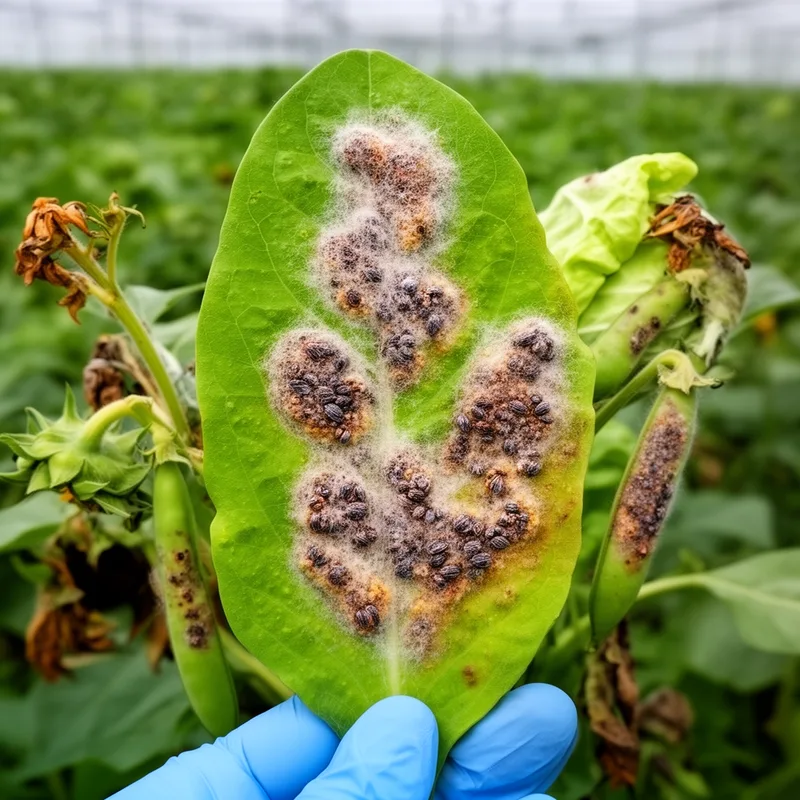
Sclerotiniaceae
- noun
- /ˌsklɛrəˈtɪniˌeɪsiˌi/
- Specialized
- Several species within the Sclerotiniaceae are serious pathogens of agricultural crops.
Examples
-
The fungus belongs to the family Sclerotiniaceae, known for infecting a variety of plants.
-
The Sclerotiniaceae family includes many important plant pathogens.
-
Researchers studied the role of Sclerotiniaceae in the spread of plant diseases.
-
Researchers are studying Sclerotiniaceae to understand their impact on crops.
-
Researchers studied the role of Sclerotiniaceae in the spread of plant diseases.
-
Several species within the Sclerotiniaceae are serious pathogens of agricultural crops.
-
The fungus belongs to the family Sclerotiniaceae, known for infecting a variety of plants.
Surface Forms
Morphology
Sclerotiniaceae = Sclerotinia (opaque) = sclerotini + aceae
Formed from the genus name stem plus the technical Latin family suffix '-aceae', which is a specialist taxonomic marker not predictable for average learners.
Etymology
Sclerotiniaceae comes from the root sclerot- meaning 'hard' and the ending -aceae, a common scientific ending for a 'family' like Rosaceae. Many fungi in this group make hard, dark survival bodies called sclerotia, so the name helps you remember they are a family of fungi that often survive in soil and can cause plant diseases.

