
Satureja hortensis
- noun
- Specialized
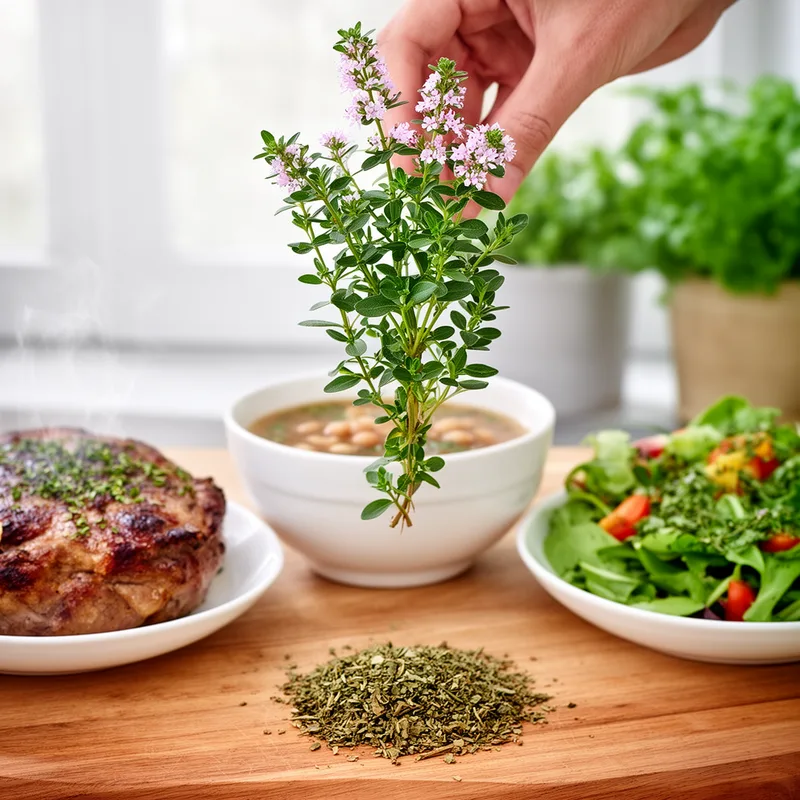
- Many recipes for bean soup call for fresh Satureja hortensis to enhance the flavor.
Examples
-
Cooks often add dried Satureja hortensis to sausage mixtures for a spicy aroma.
-
In her herb garden, she grew Satureja hortensis alongside basil and thyme.
-
I love cooking with Satureja hortensis.
-
Have you tried using Satureja hortensis in your salads?
-
Many recipes for bean soup call for fresh Satureja hortensis to enhance the flavor.
-
Cooks often add dried Satureja hortensis to sausage mixtures for a spicy aroma.
-
In her herb garden, she grew Satureja hortensis alongside basil and thyme.
Synonyms

 2
7.5
2
7.5

An herb with a spicy taste used in cooking

An herb with small leaves and a pleasant smell that you use to add flavor to food
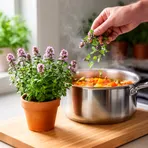
A small yearly herb with oval leaves and pink flowers that people use to flavor food like soups and stews
Surface Forms
Morphology
Satureja + hortensis
This is a Latin binomial (a scientific species name) rather than a compositional English phrase; the second element 'hortensis' is not defined here and even if a learner knew 'Satureja' as a genus of herbs they would not reliably infer the common name or specific culinary use. Understanding that it denotes the species 'summer savory' requires botanical/domain knowledge or familiarity with Latin epithets, so the meaning is not predictable from the constituents for a B1 learner.
Etymology
Satureja hortensis comes from Latin: Satureja is the savory herb and hortensis means 'of the garden', so the name is like 'garden savory'. That's why the name refers to a small cooking herb people grow in their gardens to flavor meats, soups, and salads.