
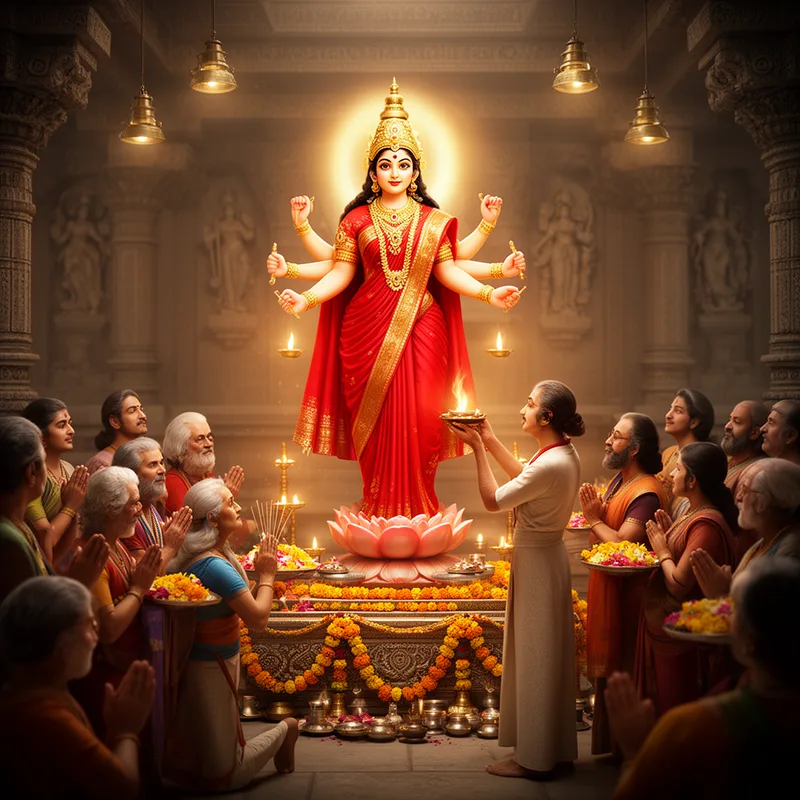
Saktism
- noun
- /ˈsɑːktɪzəm/
- Many followers of Saktism believe in the power of the divine feminine.
Examples
-
The teachings of Saktism emphasize the importance of Shakti.
-
Many temples in India are centers of Saktism and rituals honoring the feminine divine.
-
Devotees of Saktism gather annually to celebrate the goddess Durga.
-
The influence of Saktism can be seen in various art forms and literature throughout South Asia.
-
Devotees of Saktism gather annually to celebrate the goddess Durga.
-
Many temples in India are centers of Saktism and rituals honoring the feminine divine.
-
The influence of Saktism can be seen in various art forms and literature throughout South Asia.
Synonyms
A branch of Hindu religion that worships the goddess Shakti as the highest power
Surface Forms
Morphology
Etymology
Saktism comes from the Sanskrit word Shakti, meaning 'power' or 'energy', together with the suffix -ism meaning 'a system of belief'. So, Saktism is the religious tradition or belief that worships the goddess and the feminine divine power.

