
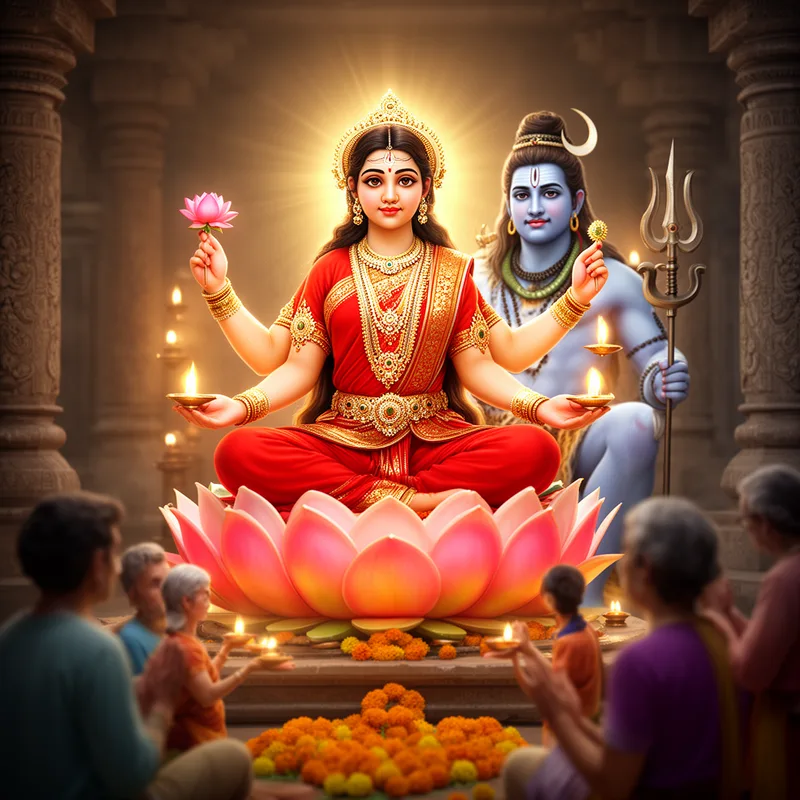
Sakti


 1
9.9
1
9.9
- noun
- /ˈsʌkti/
- Literature
- Through his compositions, Dikshita expresses worship of Siva, Vishnu, and the goddess Sakti or Devi, along, of course, with his own patron deity, Kumara.
- Sakti or Devi
- goddess Sakti
Examples
-
Many rituals in Hinduism aim to invoke the power of Sakti, representing creativity and transformation.
-
She is also known under various other names: Parvati, Sakti, Uma, Kali, and Sati.
Blog text (8) -
In Hinduism, the divine feminine, for example, is often referred to by generic or universal names, such as "Devi" (mother goddess) or "Sakti" (primordial energy).
Academic text (2001) -
The mother goddess (Devi, Sakti) represents the primordial energy that subsumes the Siva and Vishnu principles.
Academic text (2001) -
Always, compositions were connected with important pilgrimage centers for each deity: Varanasi for Siva; Tirupati for Vishnu; Madurai for Devi/Sakti.
Academic text (2001) -
In Hinduism, Sakti is seen as the embodiment of the divine feminine energy that complements Siva.
-
The concept of Sakti emphasizes the importance of the female principle in the balance of cosmic forces.
Synonyms
 2
9.9
2
9.9
Sacred female energy in Hinduism that people see as Shiva's wife and creative power
Surface Forms
Etymology
Sakti comes from the Sanskrit word shakti, which means 'power' or 'energy' and was used for the female divine force in Hindu belief. So thinking of Sakti as 'divine energy' helps you remember why she is worshipped as a creative and protective goddess.