
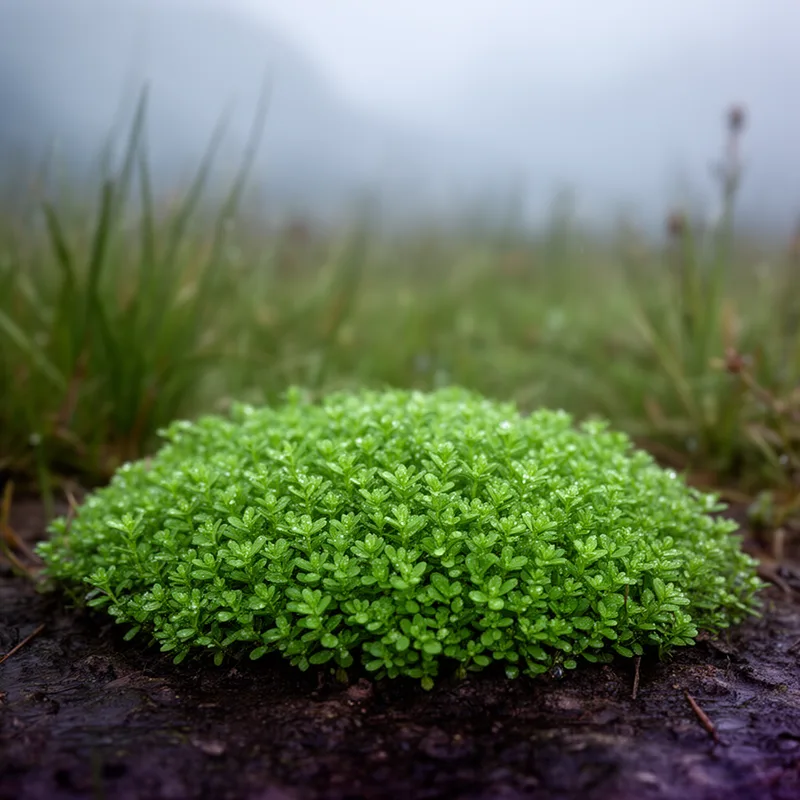
Sagina
- noun
- /səˈdʒiːnə/
- Specialized
- Sagina is often found in moist, grassy meadows across northern Europe.
Examples
-
The Sagina plant thrives in cool, temperate climates.
-
The botanist identified the tiny plant as a species of Sagina.
-
Several varieties of Sagina are cultivated as ground cover in gardens.
-
Many gardeners appreciate the Sagina for its low growth.
-
The garden was filled with Sagina, which added a lush greenery to the landscape.
-
Many gardeners choose Sagina due to its ability to thrive in cooler climates.
-
He admired the delicate flowers of Sagina blooming in the sunny patches of the park.
Synonyms

A small low plant with tiny round white flowers like pearls

A low plant with small round flowers that look like pearls
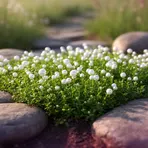
A low-growing plant with small white round flowers like pearls
Surface Forms
Etymology
Sagina probably comes from the Latin word sagina, which means 'fodder' or 'food that fattens'. So think of Sagina as a small ground plant that animals might eat, and that idea helps explain why the plant got its name.

