

Rubus hispidus
- noun
- Specialized
- The Rubus hispidus thrives in damp woodlands and produces clusters of small black fruits.
Examples
-
Birds and small mammals feed on the berries of Rubus hispidus during the late summer.
-
Have you ever tasted the fruit of Rubus hispidus?
-
Botanists surveyed the area for Rubus hispidus as part of their biodiversity study.
-
The Rubus hispidus is often found in moist, wooded areas.
-
The berries of Rubus hispidus are delicious and often used in jams and desserts.
-
Wildlife enthusiasts often seek out Rubus hispidus for its tasty, dark fruits.
-
In spring, Rubus hispidus showcases its delicate white flowers before bearing fruit.
Synonyms

 9
6.0
9
6.0

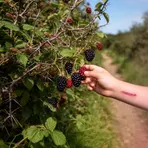
A rough, thorny bush that often has berries like blackberries or raspberries

 1
5.7
1
5.7
A wild prickly bush with blackberries you can eat
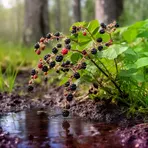
A low spiny bush that grows in wet ground and has small black berries you can eat

A bristly trailing plant with small black berries like a blackberry that grows in wet places
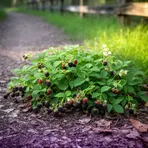
A low bush that grows along the ground and makes small dark berries like blackberries

A low bush with thorns that makes dark edible berries
Surface Forms
Morphology
Rubus + hispidus
This is a Latin binomial (genus + specific epithet) where the meaning is compositional for readers who recognize taxonomic naming and know that 'hispidus' means 'bristly' (i.e. a bristly Rubus). However, knowledge of Latin/taxonomic morphology is required and 'hispidus' is not a common English word, so an average B1 learner who only knows ordinary English vocabulary would not reliably derive the species meaning without prior exposure.
Etymology
Rubus hispidus comes from Latin words that describe the plant: Rubus means 'bramble' or 'blackberry' and hispidus means 'bristly' or 'hairy'. So the name shows a low shrub with rough stems and small dark berries, which is why it is called the bristly dewberry.