
Roccella tinctoria
- noun
- Specialized
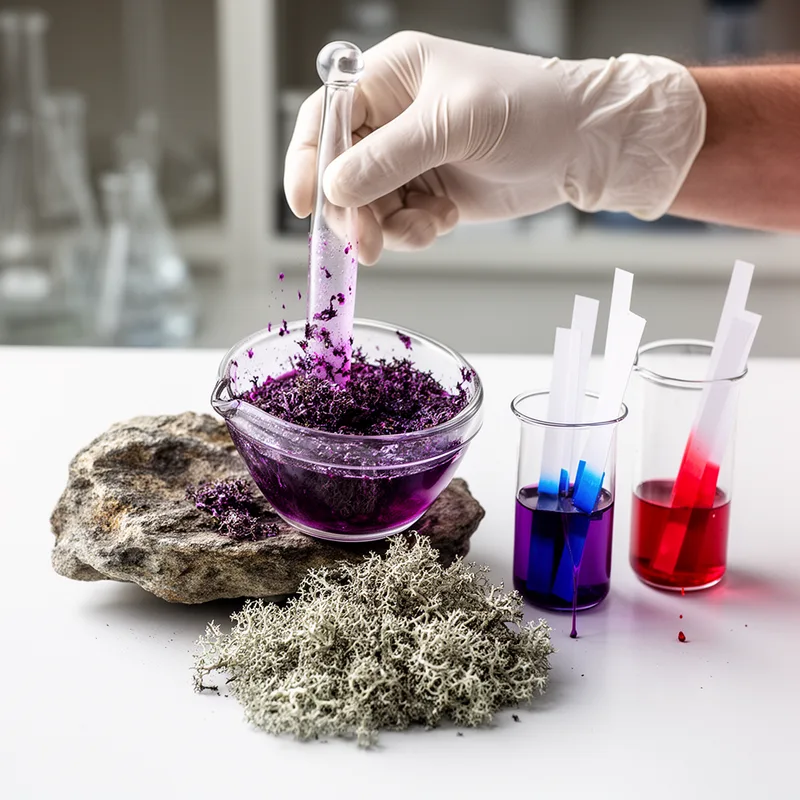
- The purple color of archil dye was originally extracted from the lichen Roccella tinctoria.
Examples
-
Scientists isolated litmus from Roccella tinctoria to use in chemical testing.
-
Some natural dyes, such as those derived from Roccella tinctoria, were highly prized in centuries past.
-
The dye obtained from Roccella tinctoria is known for its vibrant colors.
-
Have you ever used Roccella tinctoria for fabric dyeing?
-
The dye extracted from Roccella tinctoria was used to color textiles in ancient times.
-
Many artists prefer using natural dyes, including Roccella tinctoria, for their eco-friendly properties.
-
Historically, Roccella tinctoria was a significant source of dyes for the fabric industry.
Surface Forms
Morphology
roccella + tinctoria
The genus name 'Roccella' already signals a lichen used for dye extraction, and if one recognizes the Latin-derived element 'tinctoria' (related to dyeing) the overall meaning as a dye-producing species is inferable. However, this is a technical Latin binomial and 'tinctoria' is not a common English word, so the interpretation relies on specialist knowledge or recognition of Latin roots rather than everyday compositional logic, making it only partly transparent to a B1 learner.
Etymology
Roccella tinctoria is a small rock lichen that people once collected and boiled to make purple archil dye and the blue 'litmus' used to test acids. Picture gatherers scraping the lichen from coastal rocks and cooking it until a bright colour came out, so the name reminds us of a lichen used for 'dyes' and simple chemical tests.

