
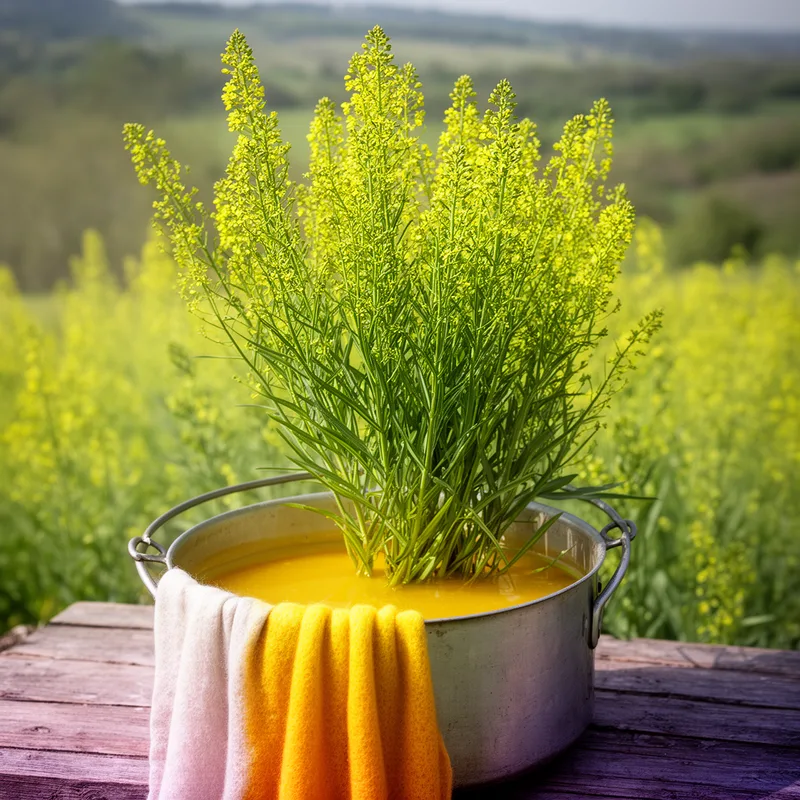
Reseda luteola
- proper noun
- /rɪˈsiːdə ˌluːˈtiːlə/
- Specialized
 :
reseda luteola
:
reseda luteola
- For centuries, Reseda luteola has been used to produce vibrant yellow dyes for textiles.
Examples
-
In traditional dyeing, leaves and stems of Reseda luteola are harvested in midsummer.
-
The botanist identified the wildflower as Reseda luteola growing on the hillside.
-
The plant Reseda luteola is used to produce yellow dye.
-
In Europe, Reseda luteola has been cultivated for centuries.
-
For centuries, Reseda luteola has been used to produce vibrant yellow dyes for textiles.
-
In traditional dyeing, leaves and stems of Reseda luteola are harvested in midsummer.
-
In Europe, Reseda luteola has been cultivated for centuries.
Synonyms
 37
9.9
37
9.9

A small European plant used to make yellow dye

A plant with yellow flowers people use to make yellow dye
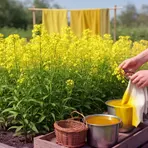
A plant people grow to dye cloth yellow
Surface Forms
Morphology
Reseda + luteola
Reseda luteola is a Latin scientific name whose parts are taxonomic/Latin forms rather than ordinary English words; 'luteola' is not a familiar English lexeme and is listed as not found in the dictionary. Because recognizing it requires botanical or Latin knowledge rather than knowing the constituent English meanings, a B1 learner who knows the listed constituents would not be able to derive the meaning (a plant used for yellow dye), so the expression is opaque.
Etymology
The plant Reseda luteola gets its name from Latin: luteola means 'yellow', and because people used the leaves and stems to make a bright yellow dye for cloth, the plant became known as the dye 'weld'.